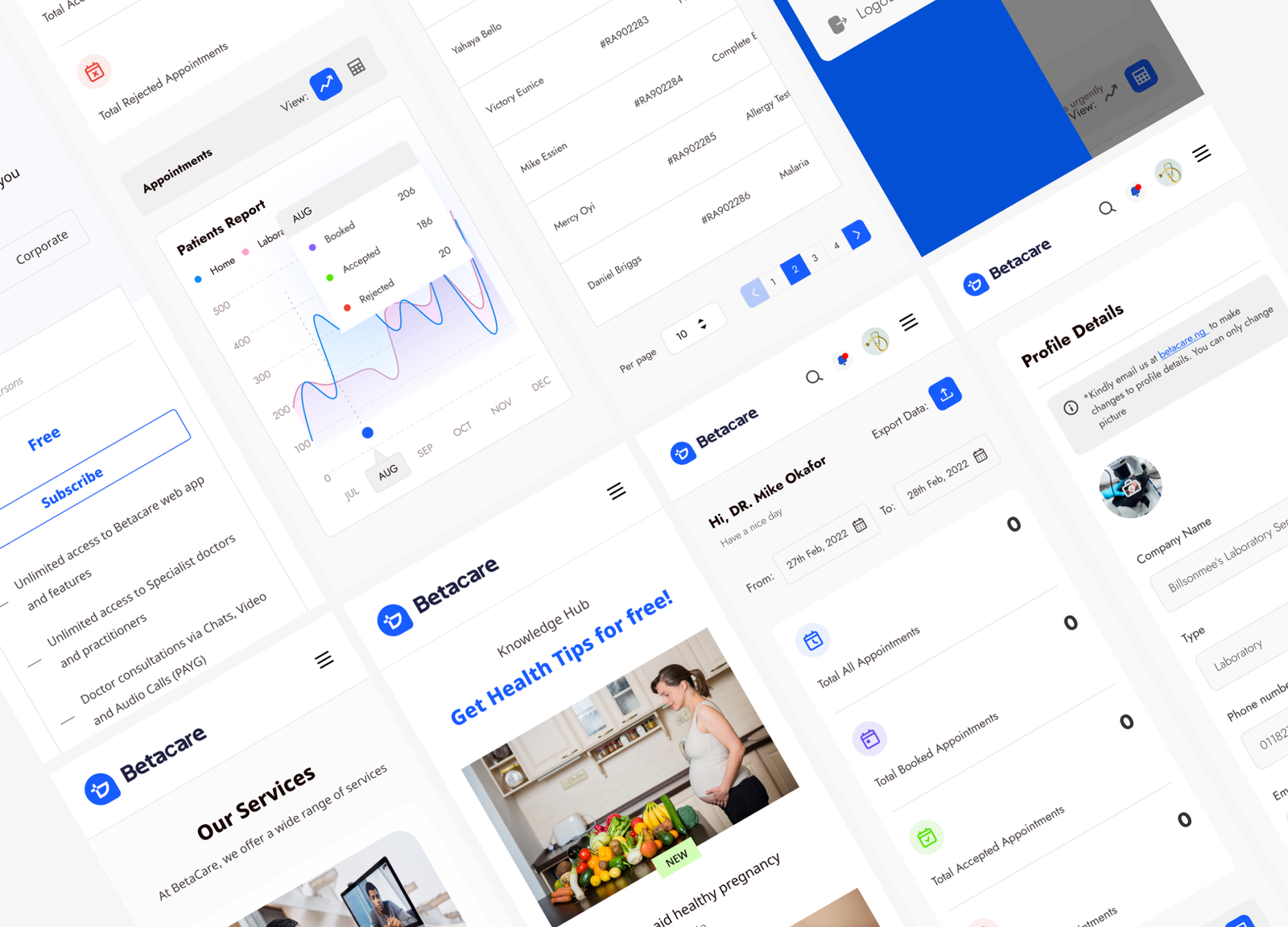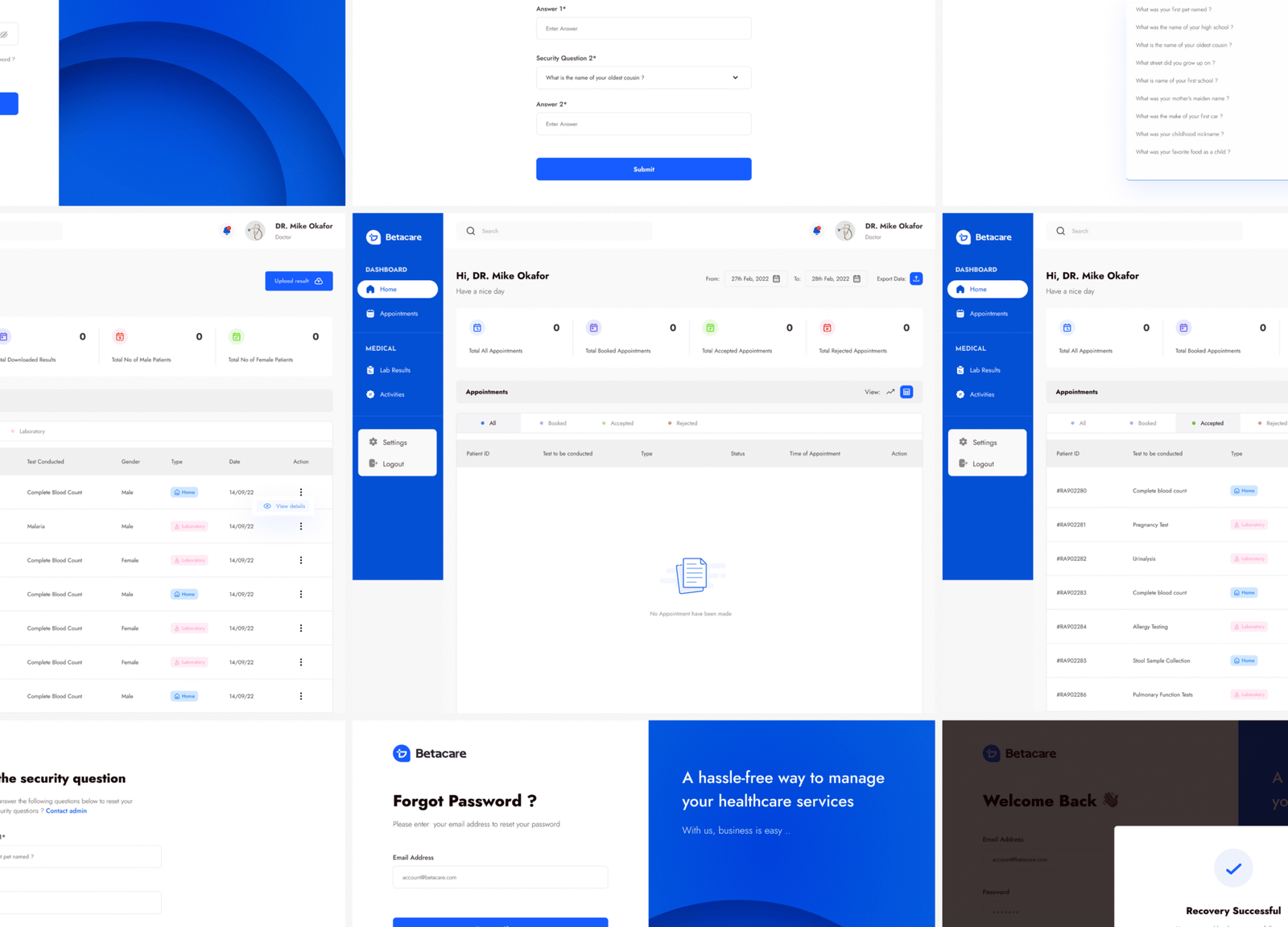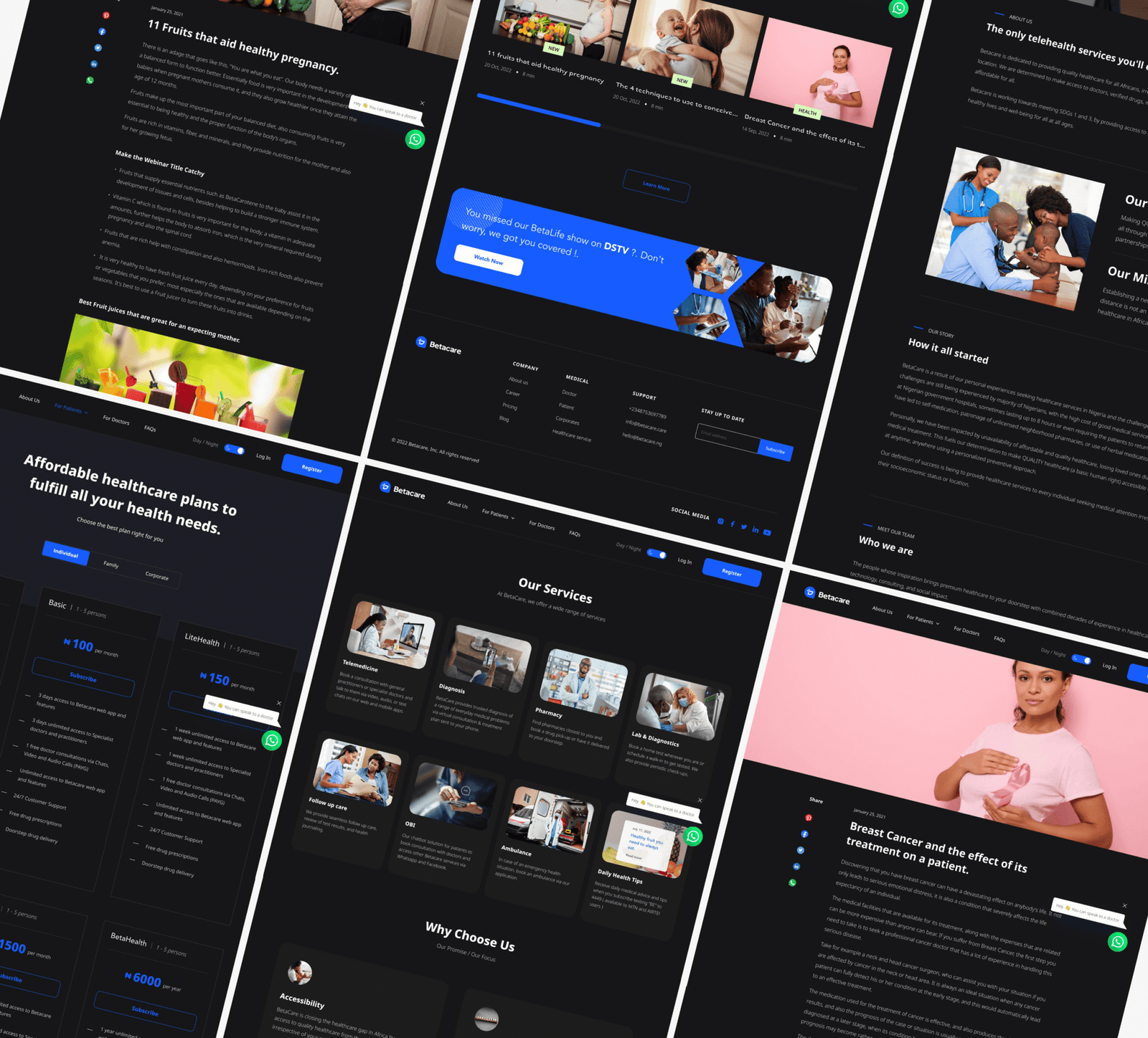

Accessing quality healthcare can often be stressful, time-consuming, and sometimes out of reach for people who need it most. Long hospital queues, geographical barriers, and limited access to specialists make it difficult for patients to receive timely care.
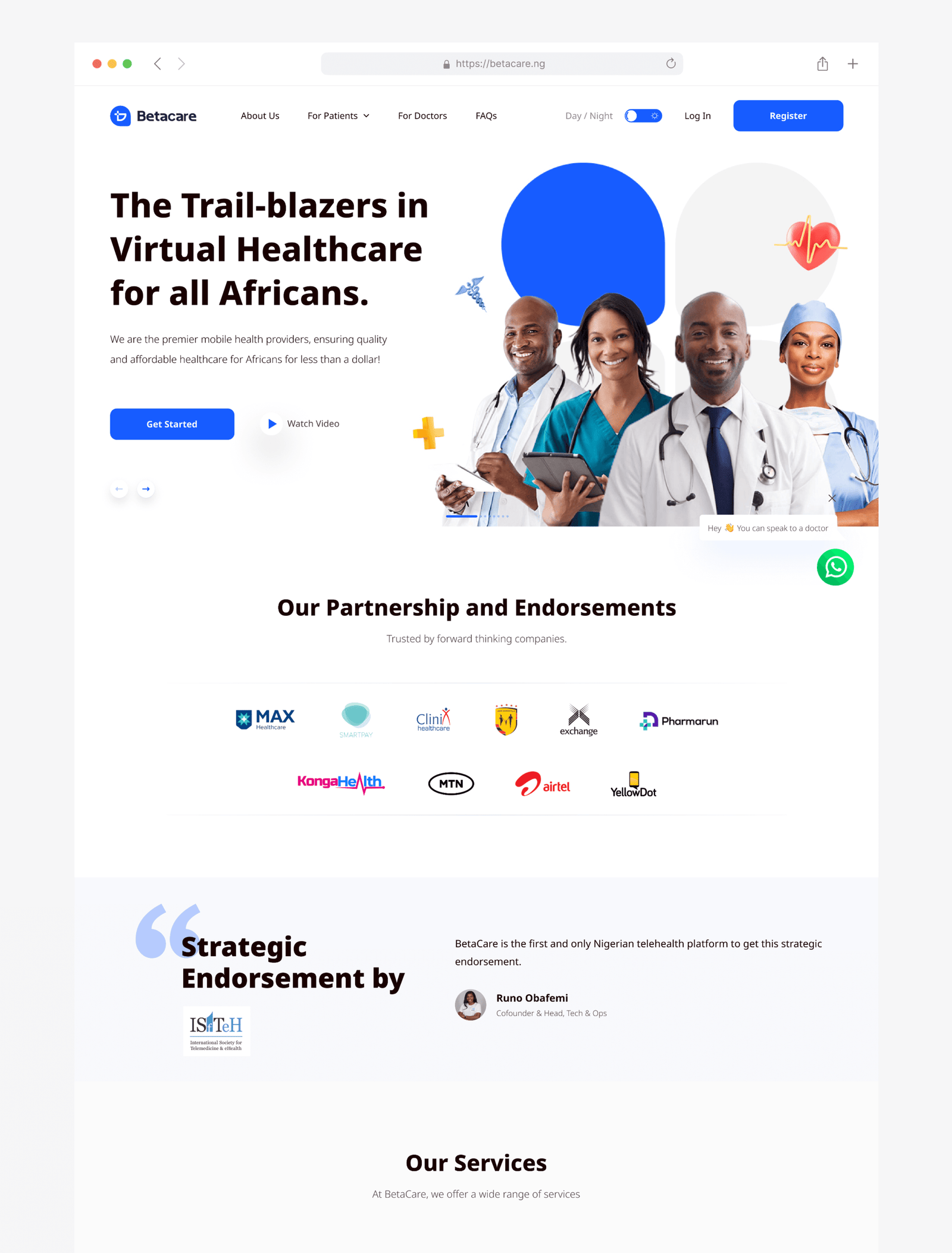
Betacare was designed to bridge this gap. It is a digital healthcare platform that connects patients to licensed healthcare professionals—doctors, nurses, and medical staff through an easy-to-use virtual system. Patients can consult with doctors, receive diagnoses, get prescriptions, and schedule follow-ups all from the comfort of their homes.
The platform delivers care through video calls, online chat, and telephone consultations, making healthcare more accessible, convenient, and patient-centered.
In essence, Betacare reimagines how people experience healthcare turning hospitals into a virtual service that fits into the daily lives of patients.
Nigeria’s healthcare system has been under pressure from multiple directions. As the country undergoes demographic and epidemiological transitions, the demands of patients continue to evolve. Improvements in public health have shifted the disease landscape, but patients still face challenges that affect both their health outcomes and overall experiences. These include:
Communication barriers
Many patients struggle to clearly explain their symptoms or understand medical advice, especially in rural areas where language differences and low health literacy are common.
Isolation and loneliness
Patients with chronic conditions or limited mobility frequently feel cut off from regular medical and emotional support, which can worsen their health outcomes over time.
Risk of infection
Visiting crowded hospitals or clinics increases the chance of contracting infectious diseases, particularly during outbreaks or pandemics like COVID-19.
High healthcare costs
The financial burden of hospital visits, diagnostic tests, and medications often discourages patients from seeking timely care, leading to untreated or worsened conditions.
Limited access to quality care
Geographic and infrastructural barriers mean many people, especially in remote areas, lack access to qualified doctors and reliable healthcare facilities.
The COVID-19 pandemic further exposed gaps in healthcare delivery. Lockdowns and strained facilities made it harder for patients to access care, while healthcare providers struggled to balance pandemic response with routine services. Globally, health systems raced to contain the spread while trying not to disrupt essential services, which in turn accelerated the demand for digital health solutions.
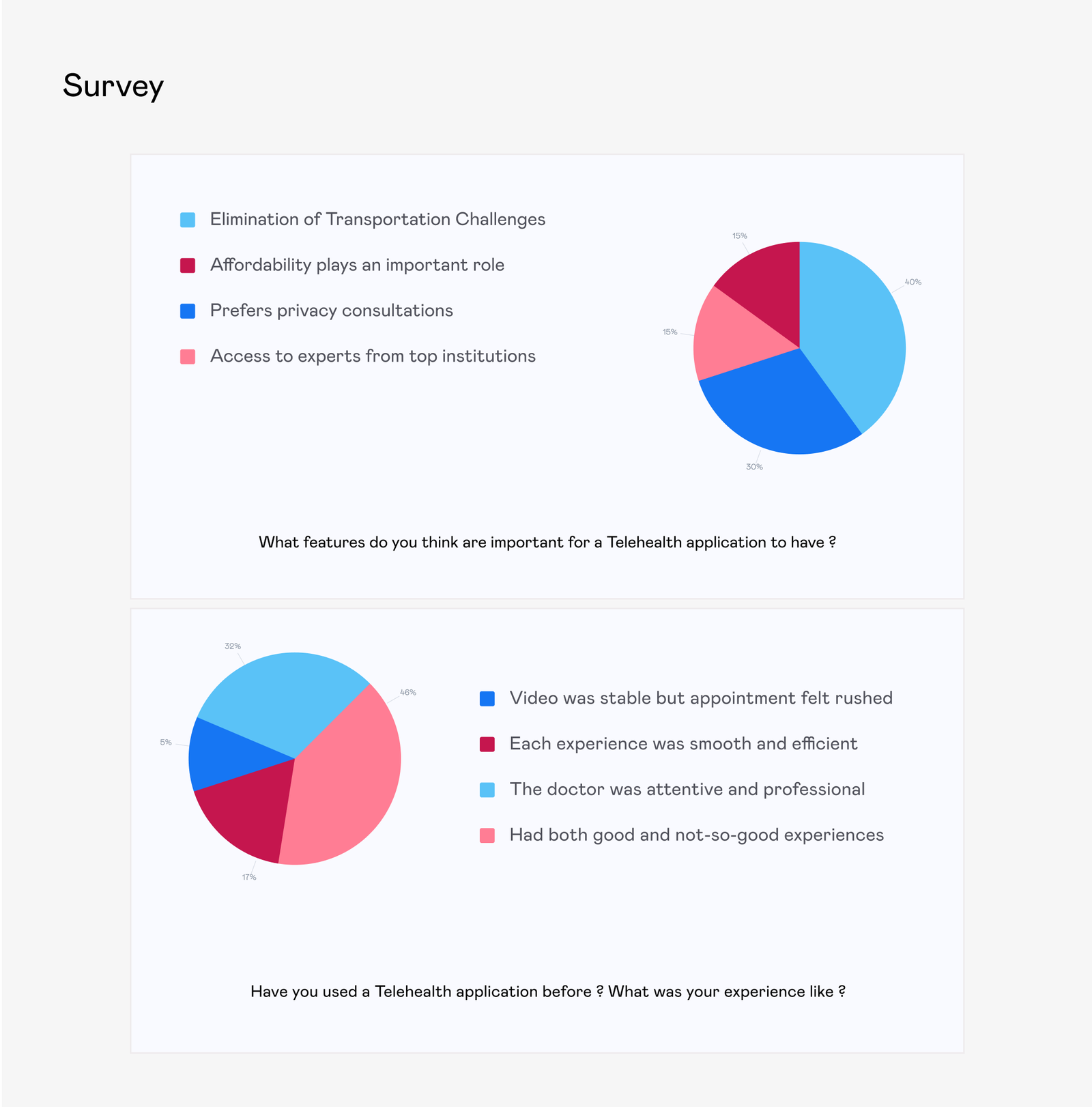
To understand the needs of Betacare users, we used a mixed-method approach—surveys for broad insights and interviews for deeper context.
We started with a Google Forms survey to collect quantitative data on demographics, healthcare preferences, and experiences with Telehealth. Analyzing the responses helped us spot patterns and recurring themes.
Next, we developed interview questions to dig deeper into user behaviors and pain points. We recruited eight participants who matched our target profile, scheduled convenient sessions, and offered small incentives to encourage participation.
This two-step process gave us both the big picture from surveys and the human stories from interviews, creating a strong foundation for our design decisions.
From the survey results and interviews, several themes consistently appeared in users’ responses. These insights gave us a clearer view of their struggles and expectations when it comes to healthcare access:

![]()
4/8 of them wants a reliable technical support when using the platform

![]()
5/8 of them appreciates an application that allows them customise the experience

![]()
8/8 of them wants a user-friendly interface that is easy to navigate & understand.
The Solution
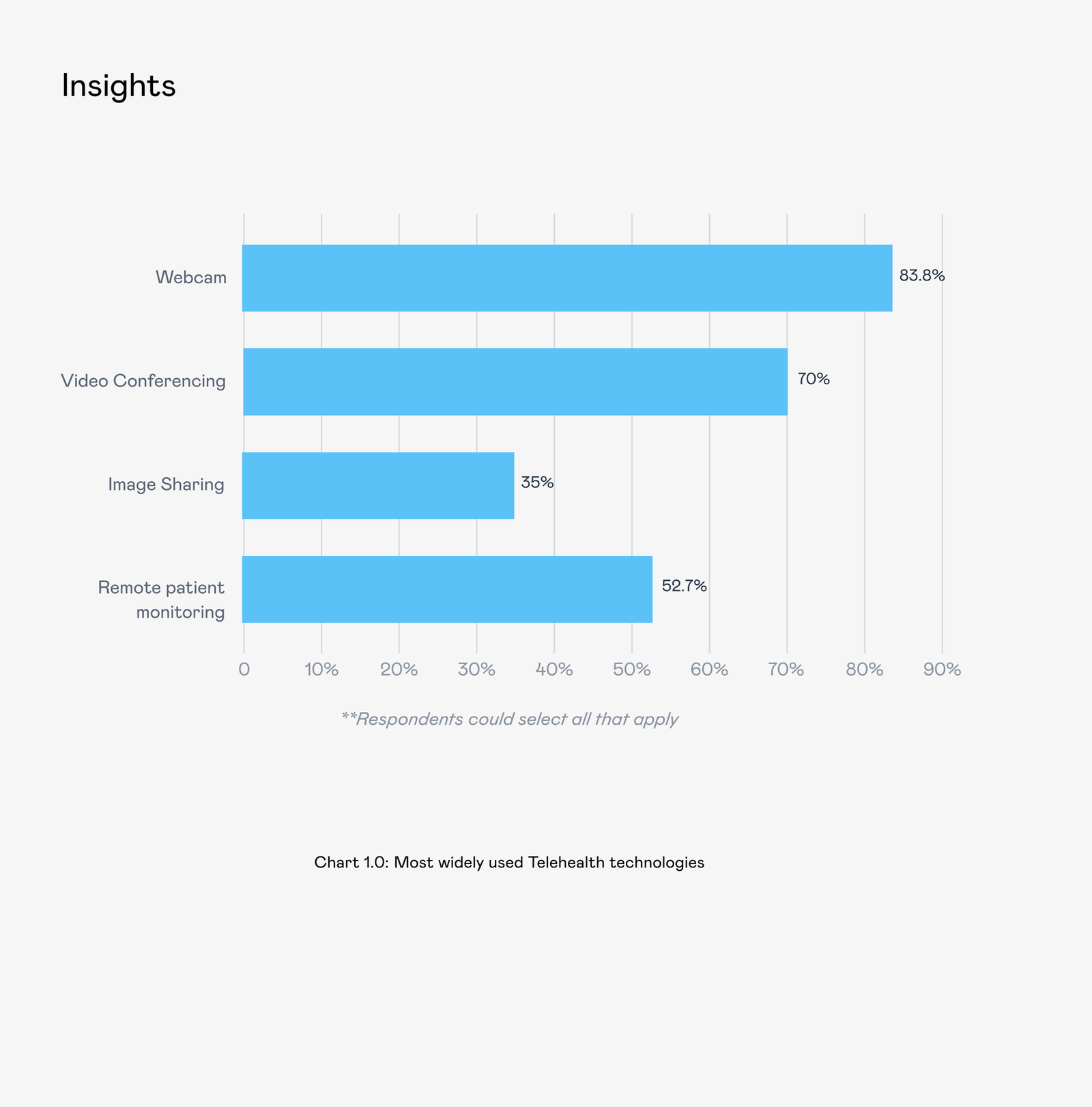
Telehealth systems offer practical solutions to many of these challenges by enabling patients to access healthcare services remotely. Through digital platforms, patients can consult with healthcare providers, monitor their health status from home, and connect with online support groups for both patients and caregivers.
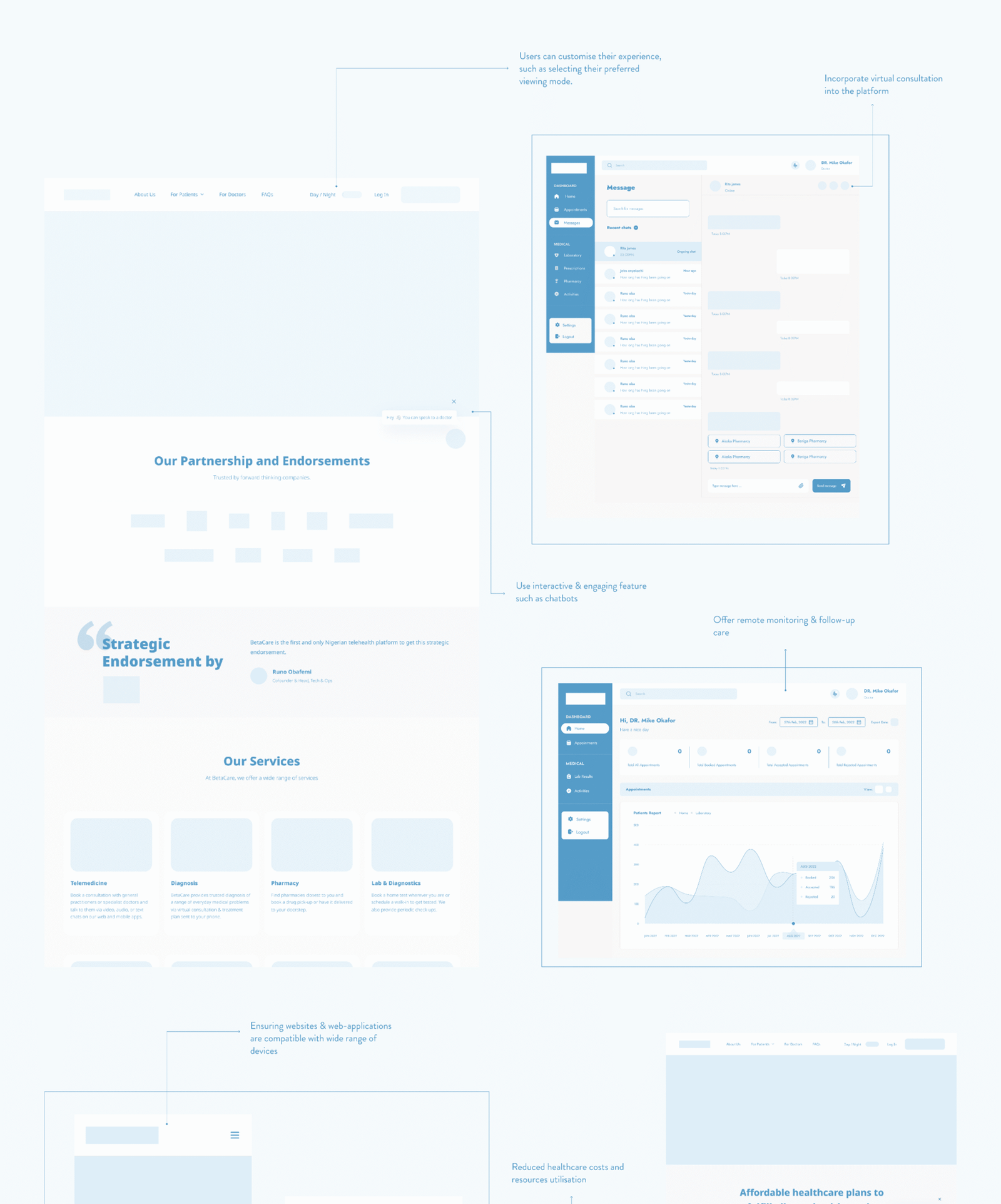
With Betacare, we set out clear goals and objectives to achieve:
Goals and Objectives:
Intuitive User Experience
Create a user interface that is easy to navigate and understand, with clear labeling, visual hierarchy, and helpful visual cues.
Virtual Consultations
Incorporate video conferencing so healthcare providers can consult with patients remotely, supported by tools for document sharing and collaboration.
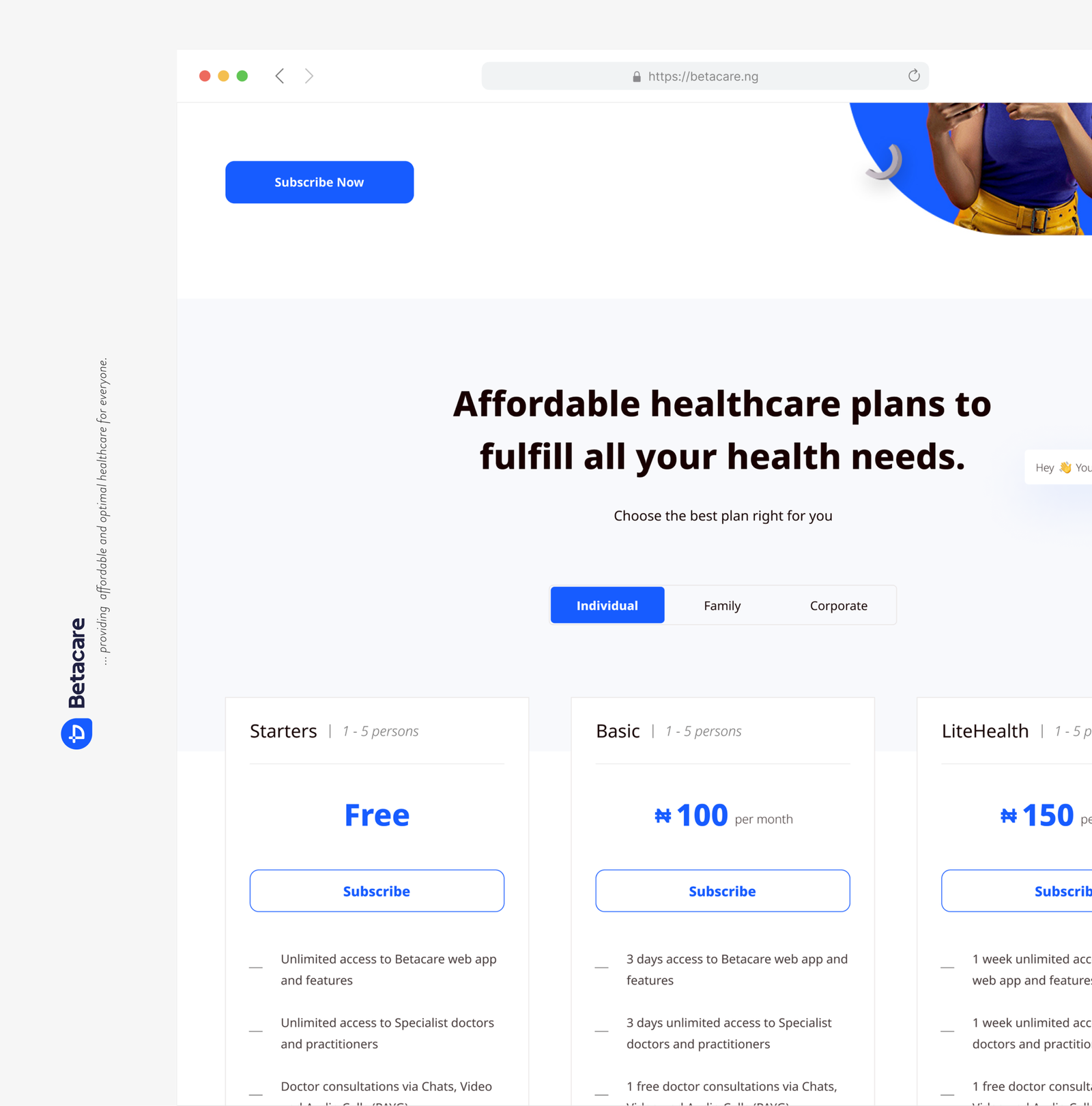
Affordability and Efficiency
Reduce healthcare costs and optimize resource utilization to make services more affordable and sustainable.
Cross-Platform Compatibility
Ensure the website, web applications, and mobile apps are compatible with a wide range of devices for greater accessibility.
Remote Monitoring and Follow-Up
Offer ongoing support by enabling remote monitoring and follow-up care for patients with chronic or long-term health needs.
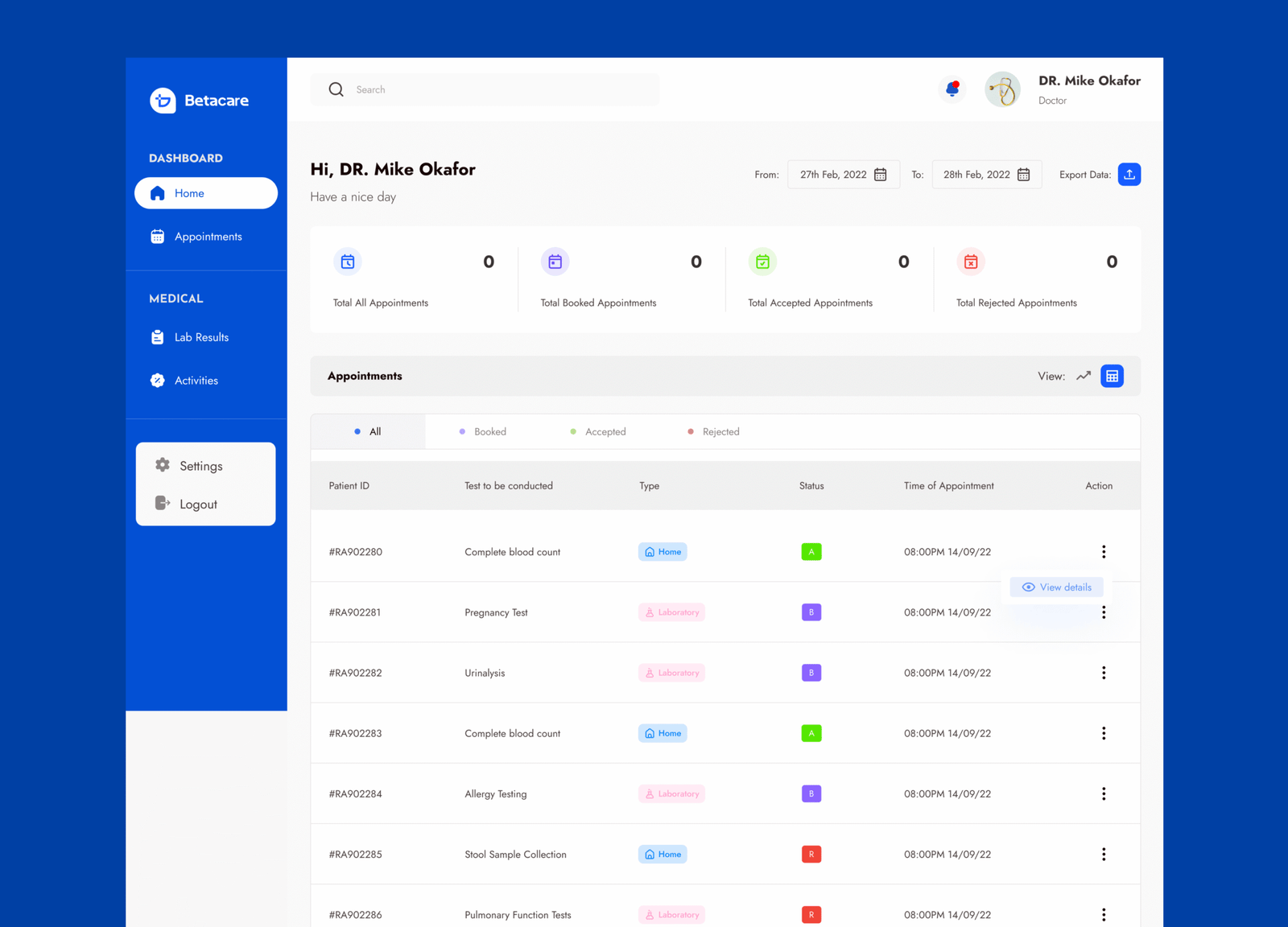
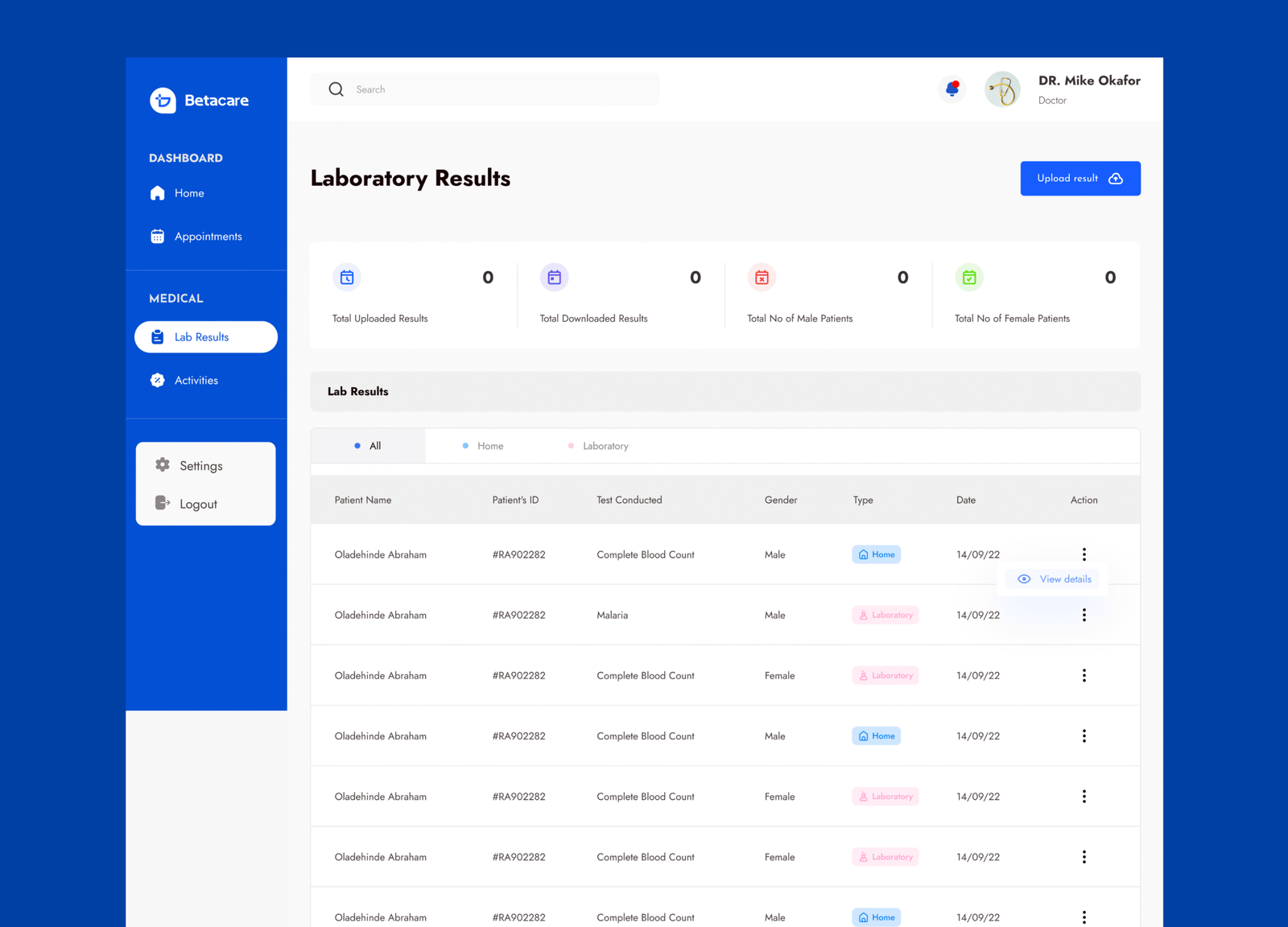
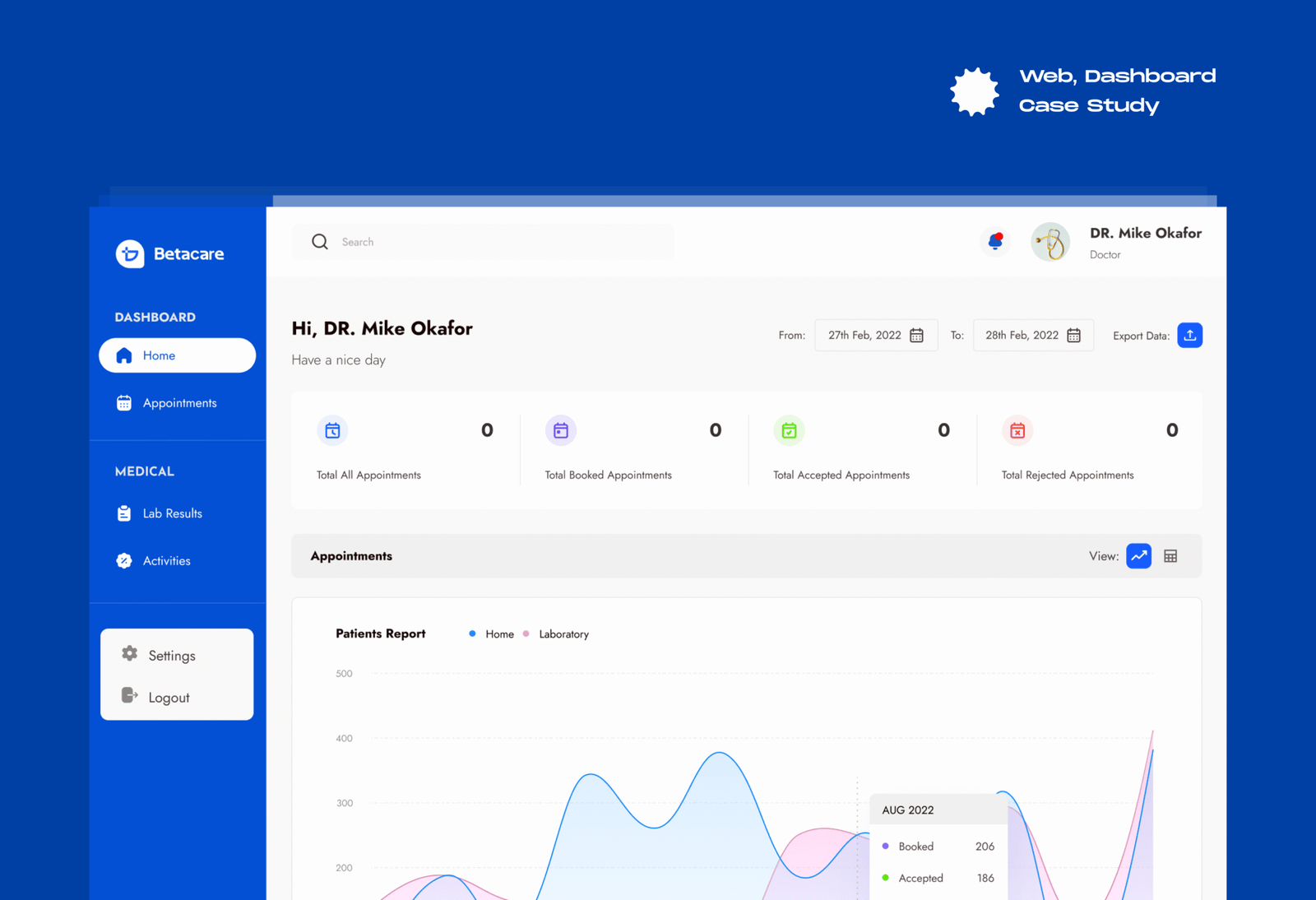
A great dashboard isn’t just about features, it’s about how those features are organized. I focused on building an architecture that mirrored how admins think and work, not how systems usually behave.
UI Foundations
Assets & Design Systems
Accessibility Considerations
Designing for Everyone, Without Exception
Reflections & What Comes Next
Designing for Everyone, Without Exception
Curious how it all came together?