Valuemart
Industry
My Role
Duration
Deliverables
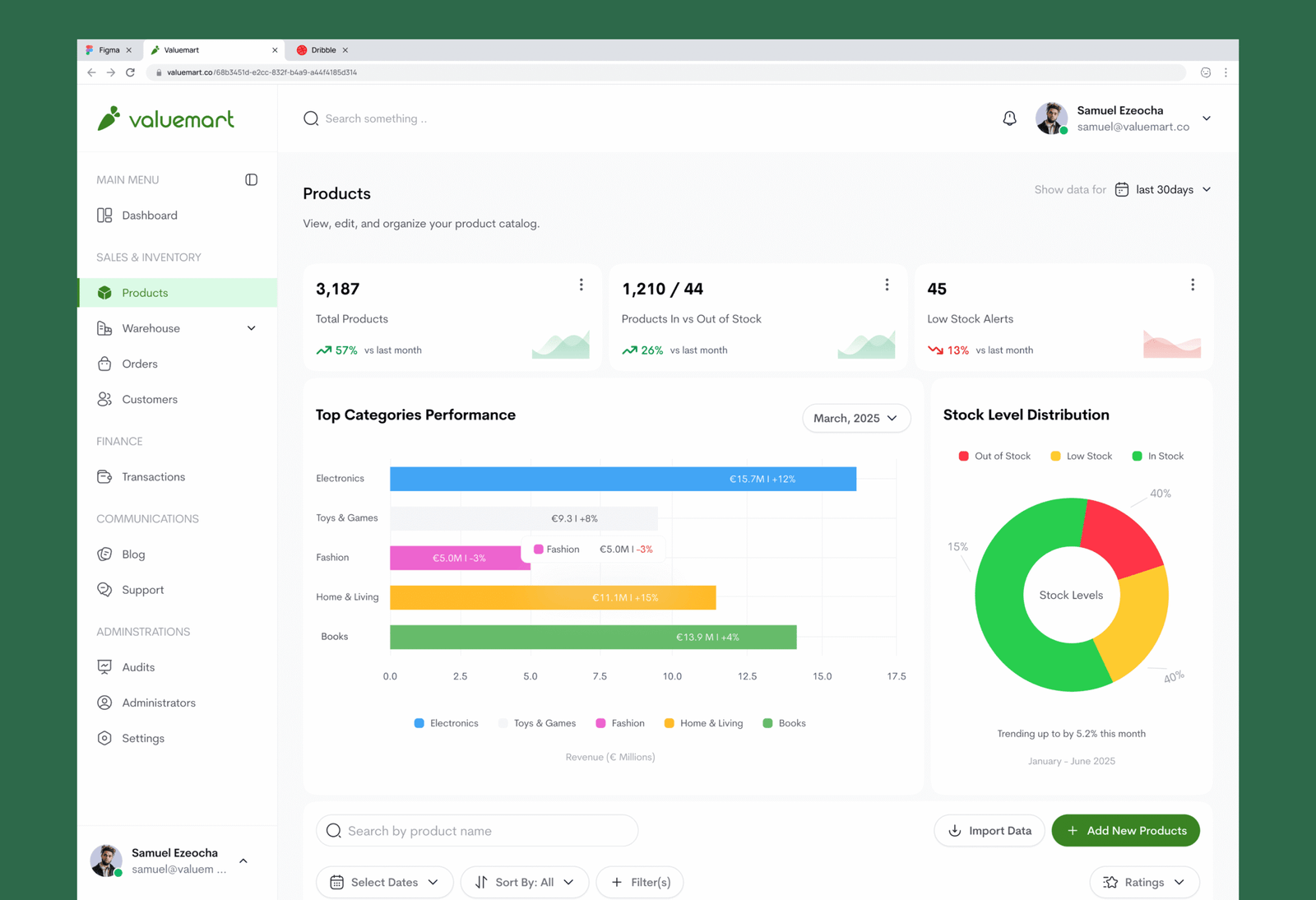
Valuemart is a dynamic eCommerce platform designed to streamline online retail for both administrators and everyday shoppers. For store managers, it serves as a powerful central dashboard providing real-time insights into performance, inventory, customer activity, and seller engagement across a diverse marketplace.
For customers, Valuemart transforms everyday shopping into a seamless digital experience. From tech gadgets and fashion to books, beauty, and home essentials, it brings together an expansive range of products from trusted brands and sellers all just a few clicks away. With smart search, rich product details, customer reviews, and intuitive navigation, Valuemart makes finding and buying what you need easier, faster, and more informed than ever.
As e-commerce rapidly evolves, businesses like Valuemart face mounting pressure to keep up with growing customer expectations and operational complexity. Managing an online marketplace isn’t just about selling products anymore, it’s about delivering seamless experiences at every touchpoint.
These challenges include:
Fragmented Operations and Workflow Silos
Admins managed multiple tools for order tracking, inventory, customer support and management leading to inefficiencies and missed updates.
Limited Visibility and Real-time Insights
Admins had insufficient real-time dashboards for monitoring platform health, customer activity, customer engagement, or fulfillment performance.
Inefficient Communication and Support
No centralized messaging or support hub existed for handling inquiries, complaints, or requests across all users.
Scalability and Operational Load
As order volumes, seller counts, and customer expectations grew, the lack of automated workflows put strain on admin teams.
Lack of Real-time Visibility
Difficulty accessing up-to-date insights on key metrics (orders, returns, inventory) slowed decision-making and operational efficiency.
There was a clear need for a smarter, unified solution; one that could streamline workflows, centralize communication, and empower admins to stay ahead in a fast-paced digital market.
Research & Approach
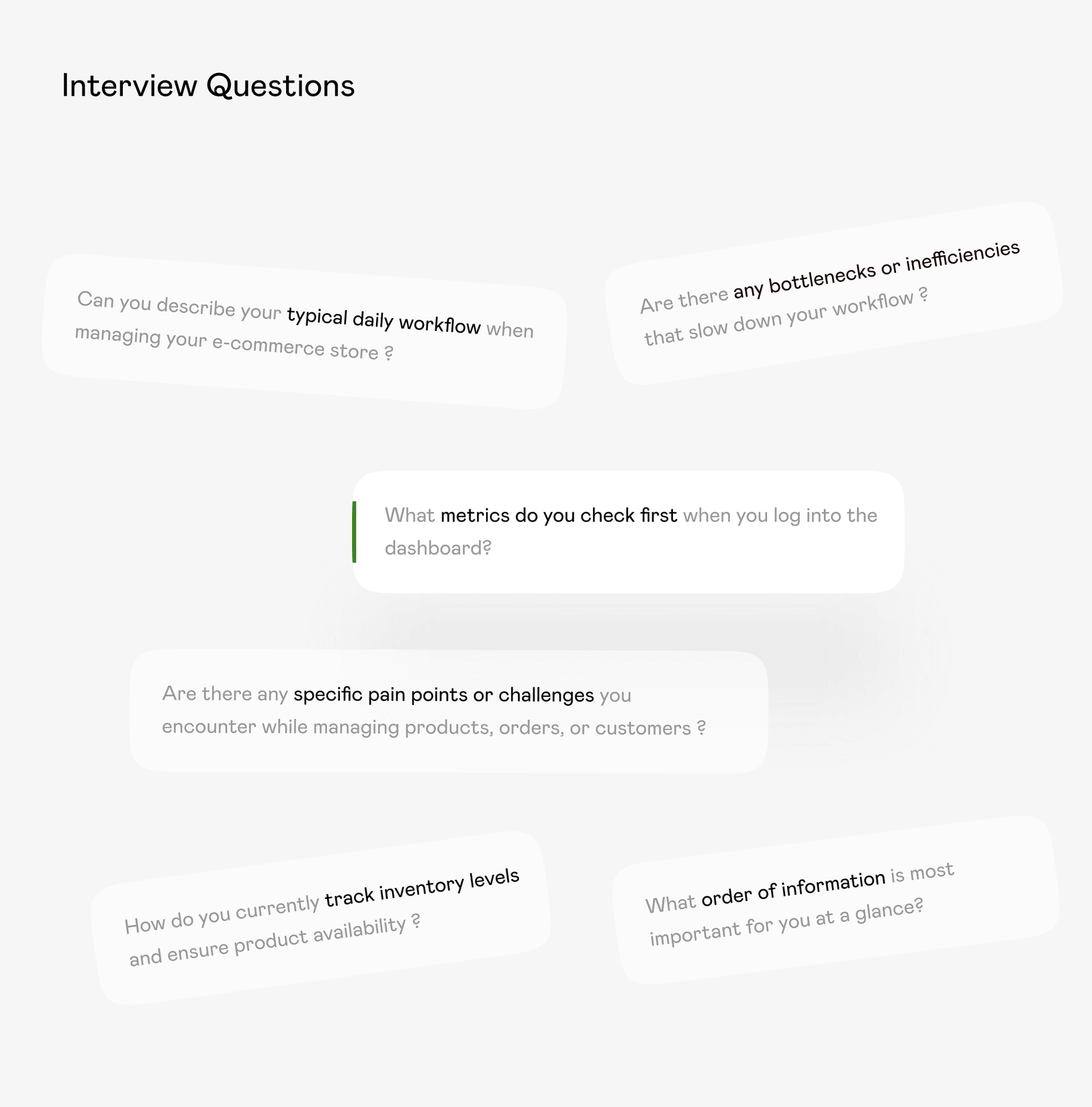
Before diving into design, I conducted research to uncover the real needs of Valuemart’s administrators. I sat down for in-depth interviews with the marketplace manager and key admins, using open-ended questions to explore their workflows, feature wish-lists, and daily pain points. I then shadowed store managers as they processed returns and refunds, observing firsthand the friction in inventory updates, product listing maintenance, and order tracking.
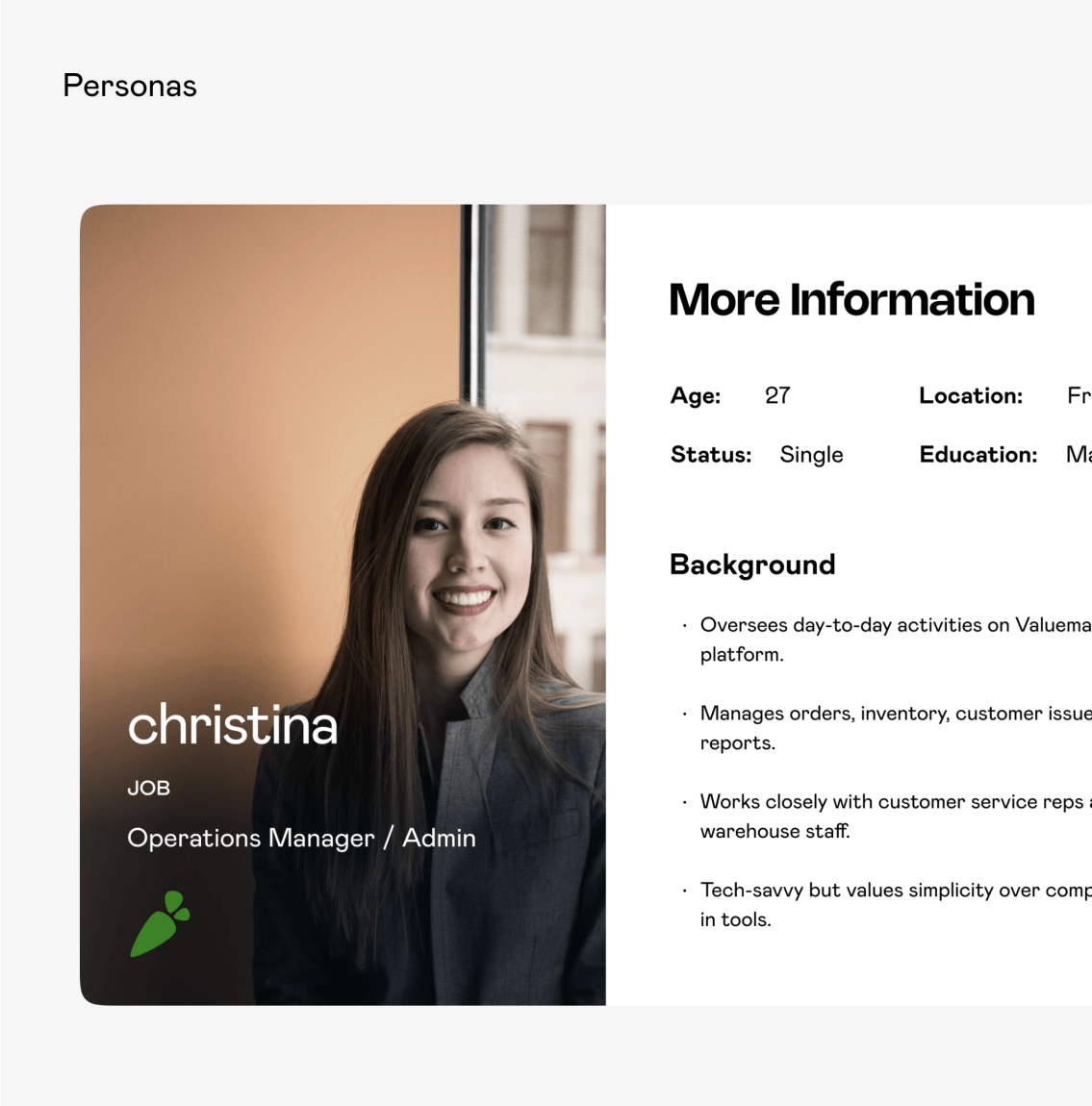

One admin summed it up perfectly:
“It feels like we’re constantly reacting — chasing orders, fixing stock issues, responding late to customers. There’s no real structure, just constant catching up.”
Through these conversations, a pattern started to form. Admins weren’t just dealing with technical tasks, they were juggling chaos. Most had to jump between multiple spreadsheets, email threads, and outdated dashboards just to get basic work done. The lack of a centralized view meant mistakes were common, especially with inventory levels and order tracking.
Another manager shared:
“We sometimes find out an item is out of stock after someone has paid for it. Then we have to explain, apologize, refund… it’s not a good look.”
It wasn’t just about operations, it was about trust. For a growing marketplace like Valuemart, these inefficiencies weren’t just internal problems, they were eroding the customer experience.
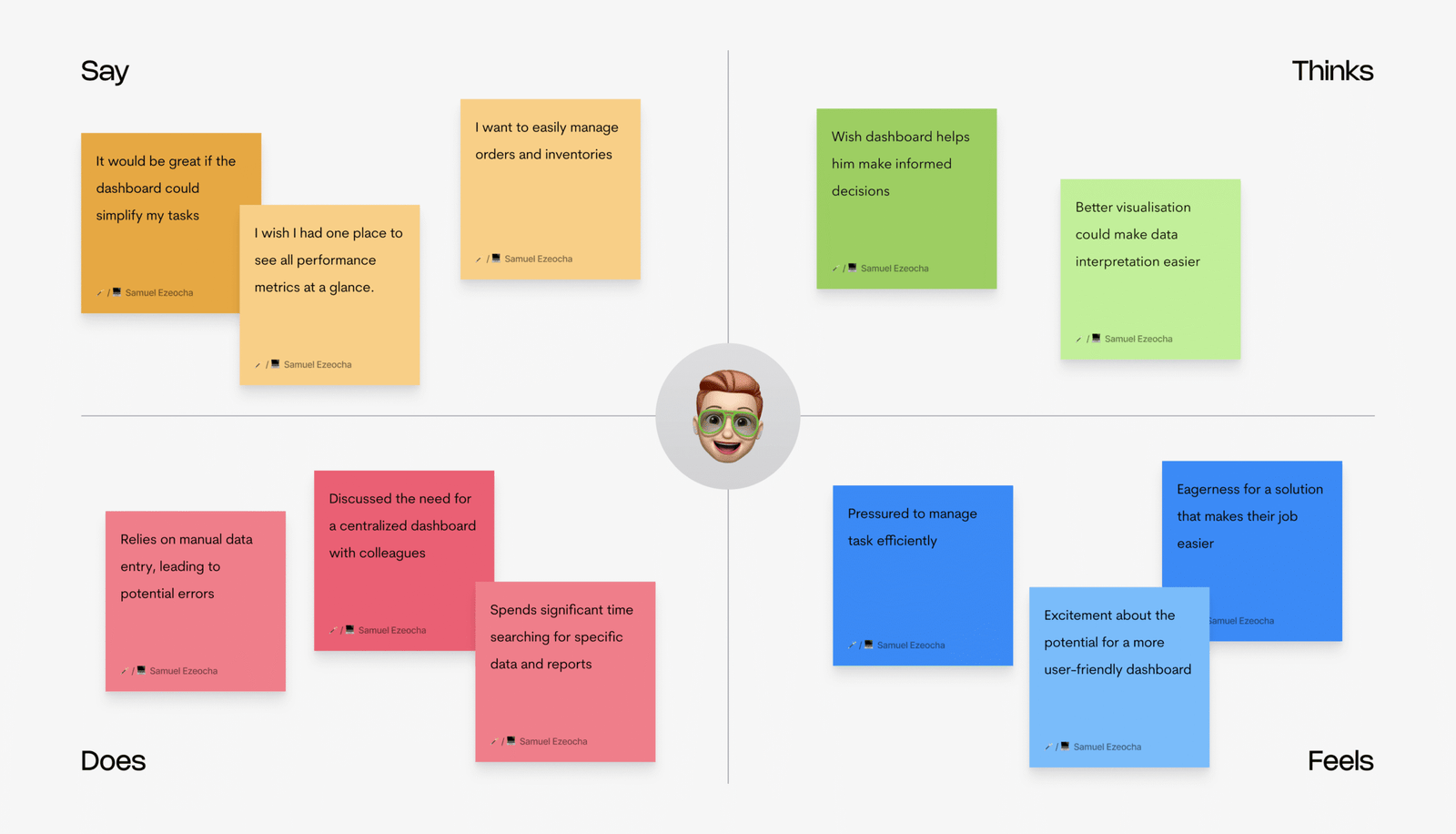
These interviews revealed a clear need: a smarter, centralized system that could give admins real-time visibility, streamline their workflows, and bring order to the daily chaos. Something intuitive. Something that worked with them, not against them.
These voices became the foundation of the solution and every design decision moving forward was made with them in mind.
The Solution
To meet the growing demands of Valuemart’s dynamic eCommerce ecosystem, I set out to design a powerful admin dashboard that does more than just manage; it empowers.
The goal was clear: create a seamless, intelligent control center that simplifies operations, enhances oversight, and scales with growth.
This wasn’t just about putting buttons on a screen. It was about solving real challenges for real people. Here’s how I approached it:
Solutions:
Centralizing Control, Simplifying Work
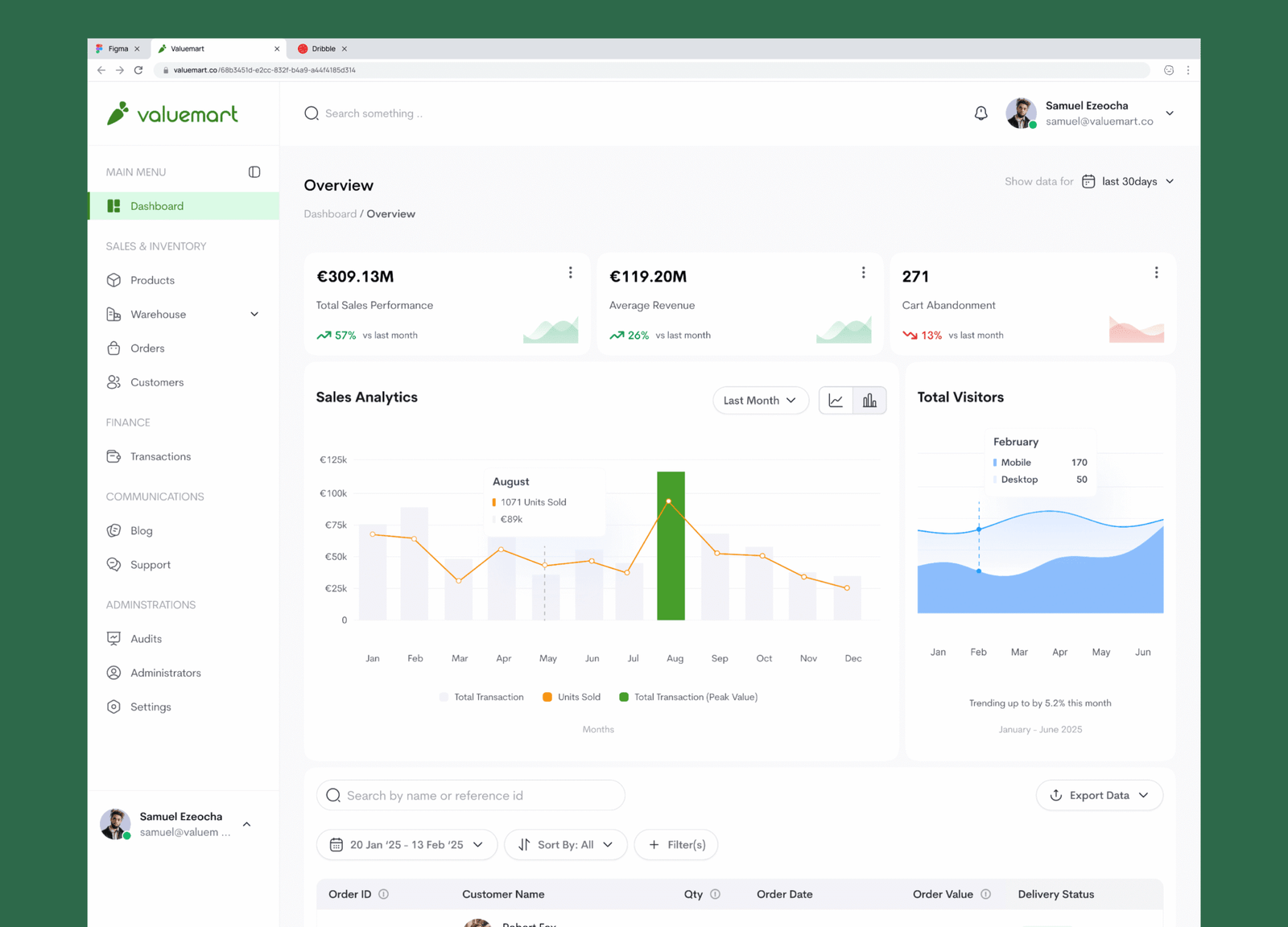
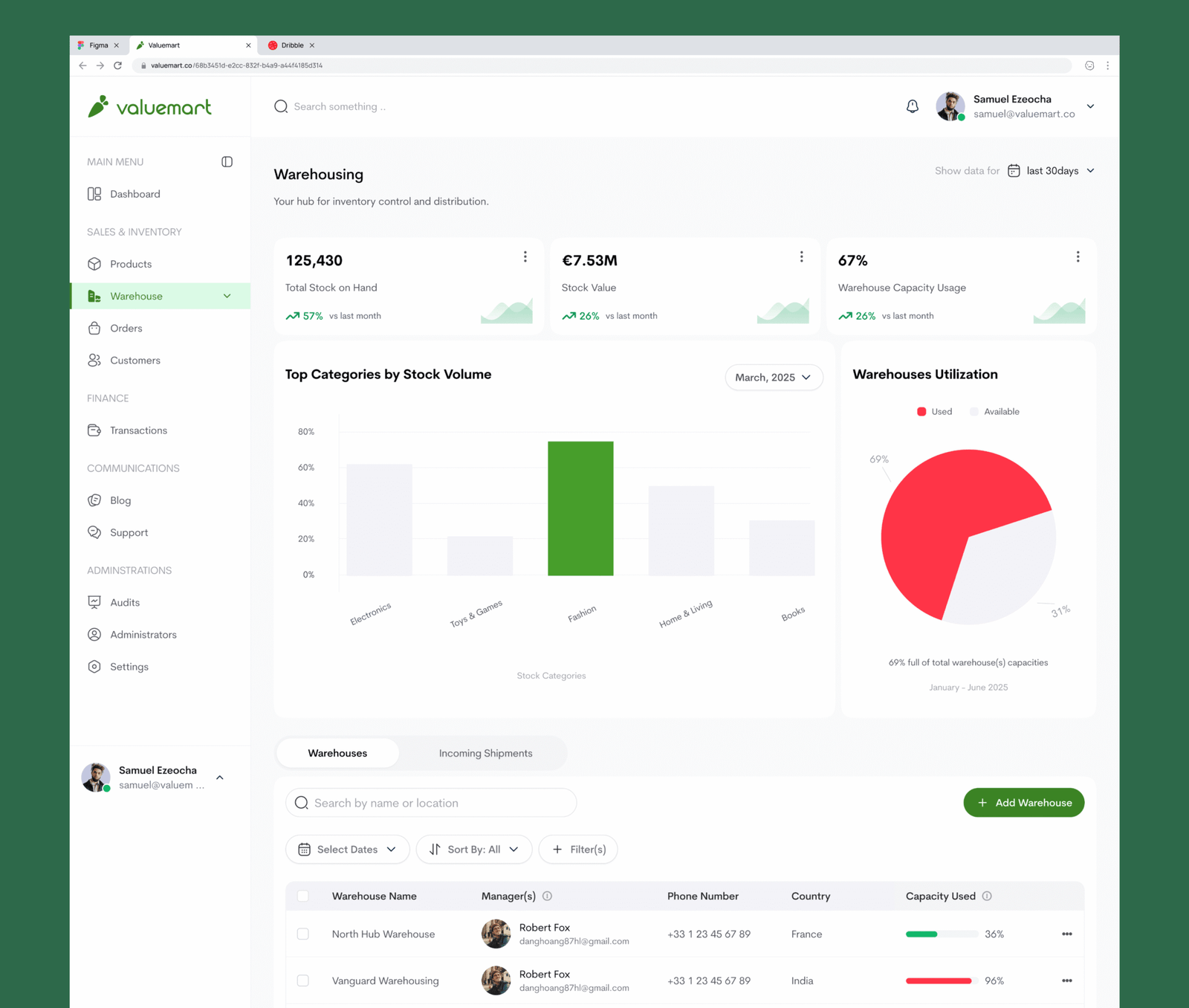
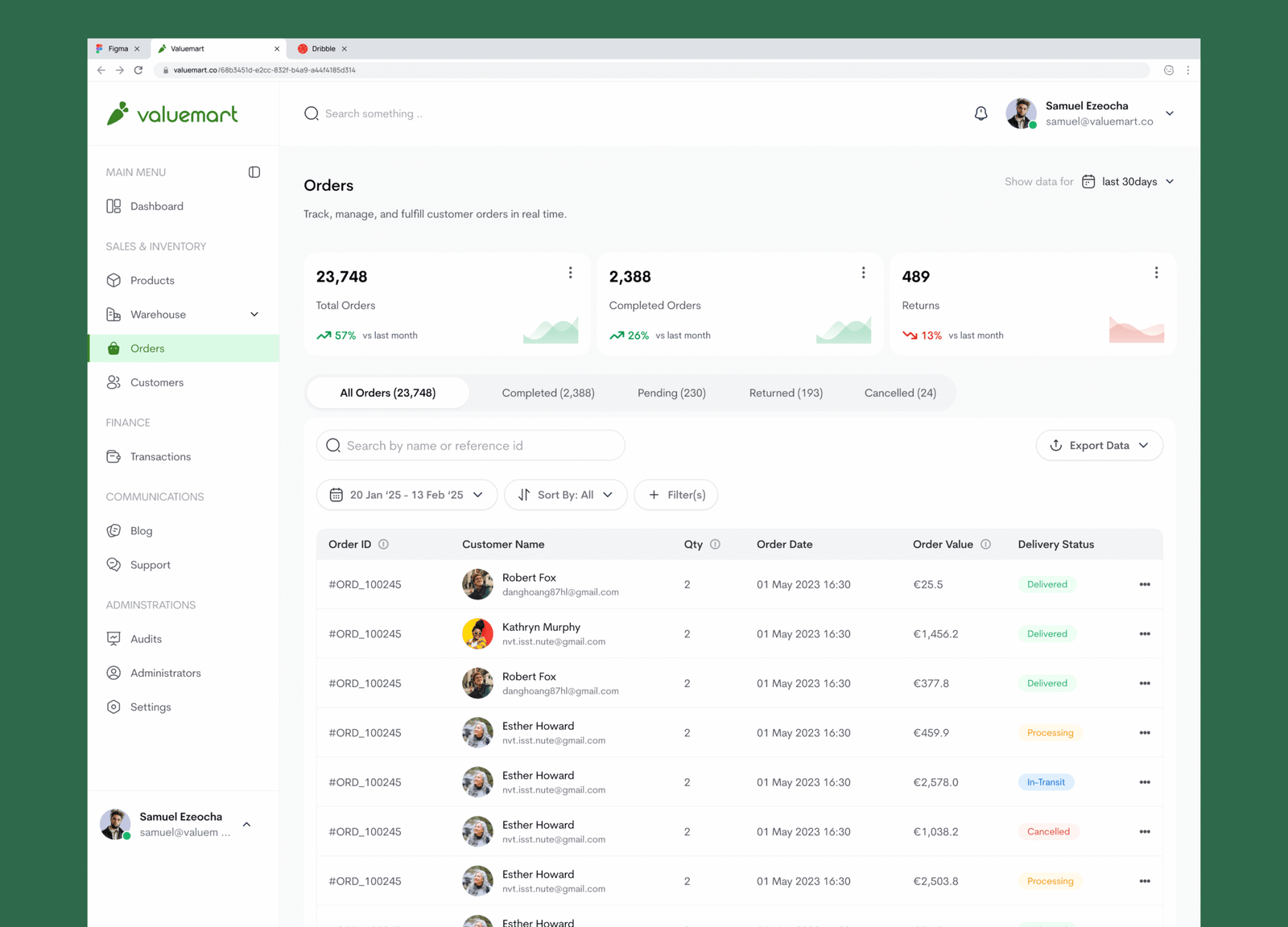
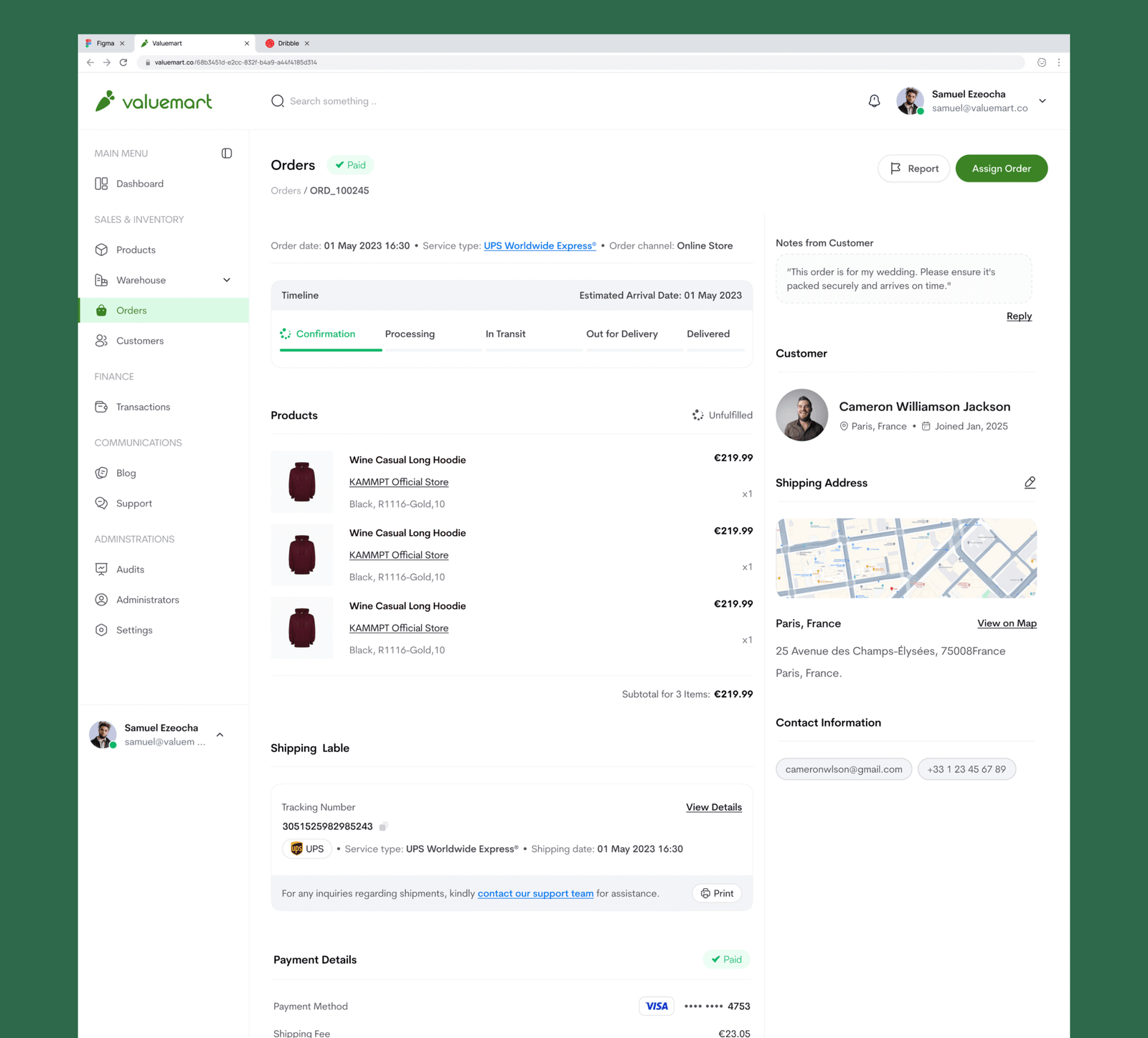
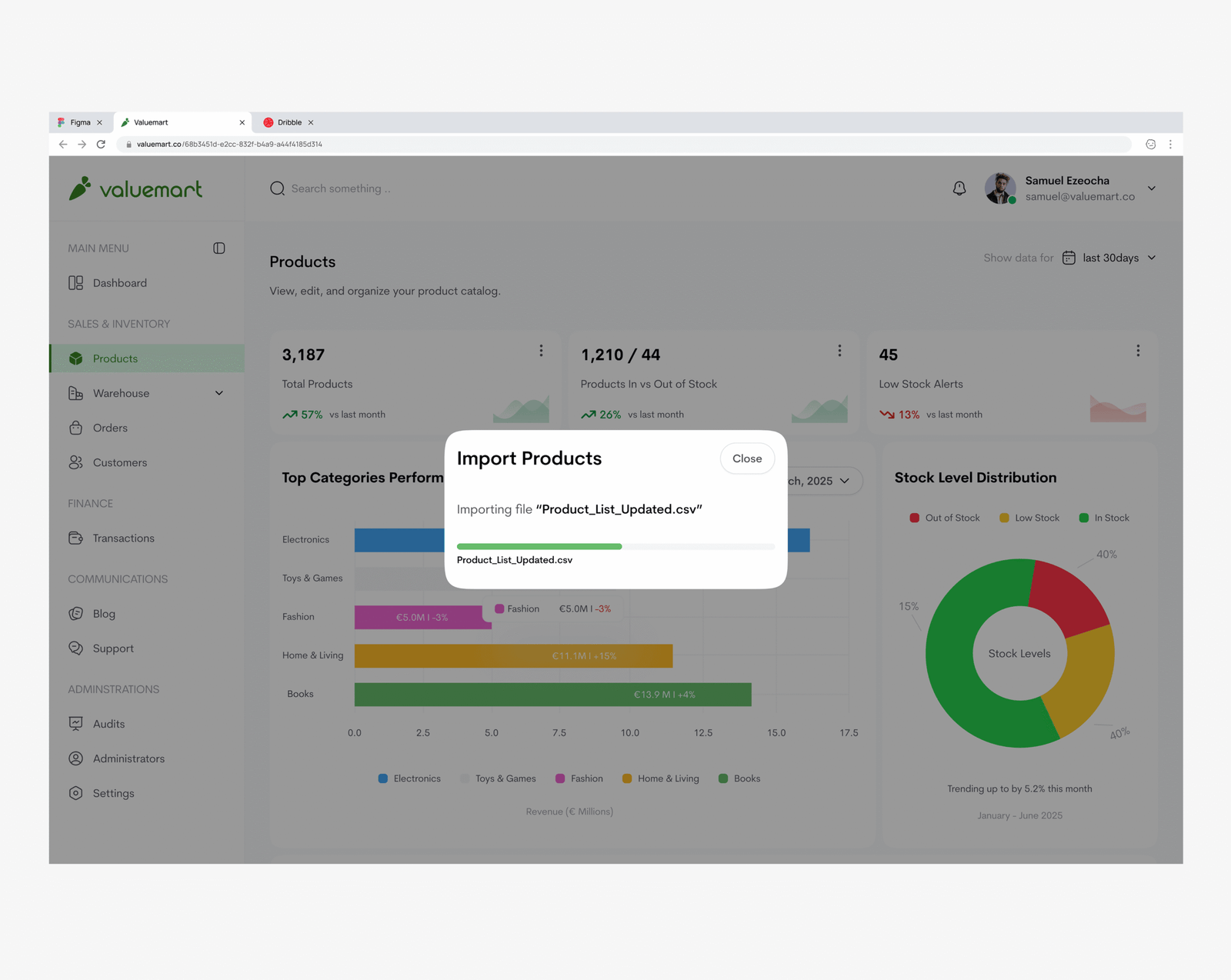
At the heart of the solution was a unified dashboard, a single source of truth where admins could view and manage everything from orders and inventory to seller activity and customer behavior.
Data That Drives Action
Admins needed more than just data; they needed insights they could act on. I designed customizable reports, real-time graphs. Whether it was tracking sales trends or monitoring seller performance, decisions became data-backed and timely.
A UX That Works for Everyone
A key focus was making the dashboard intuitive, responsive, and easy to learn even for first-time users. From smart navigation patterns to contextual tooltips and streamlined interfaces, every design choice was intentional.
Smarter Inventory, Smoother Orders
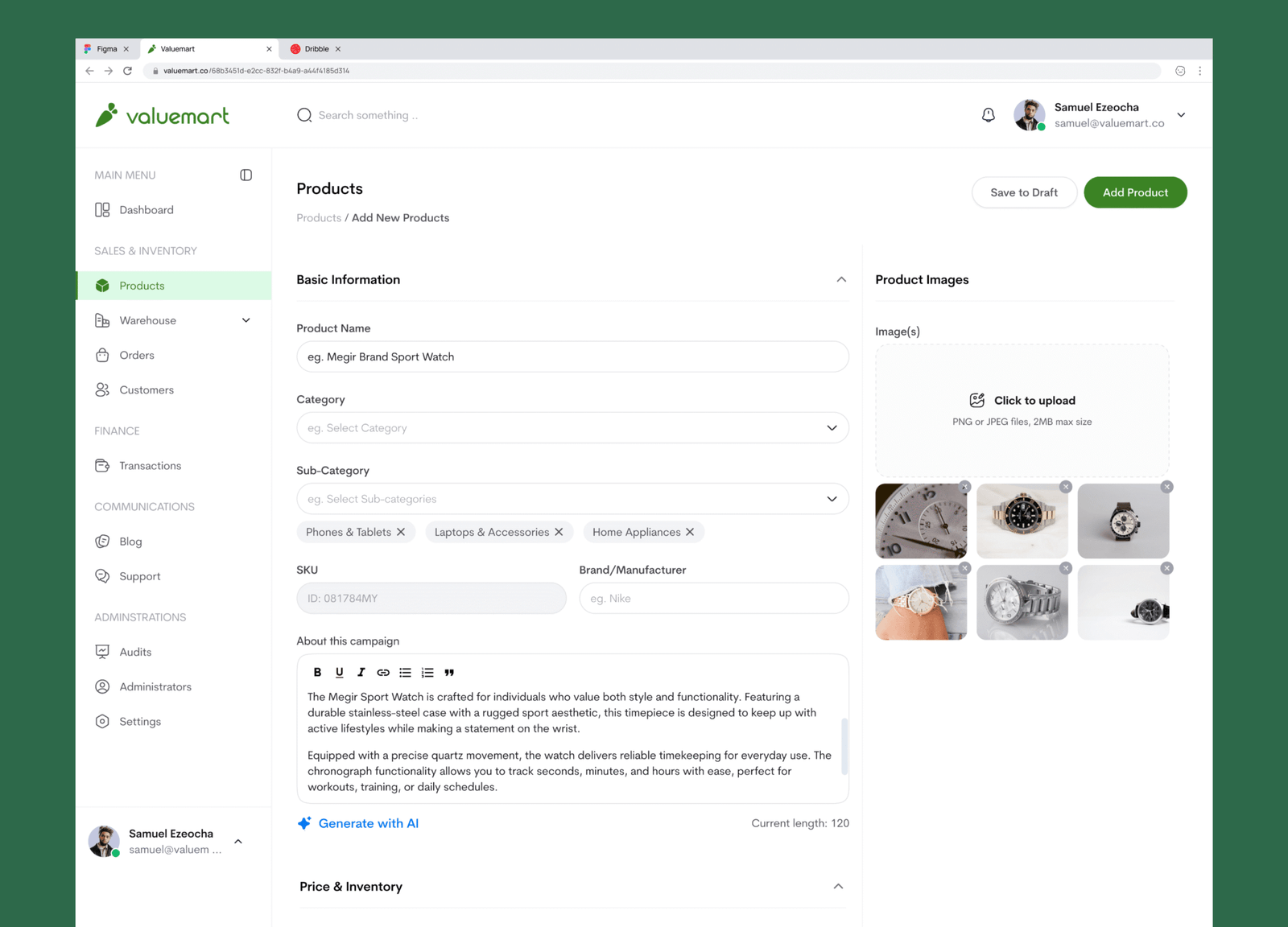
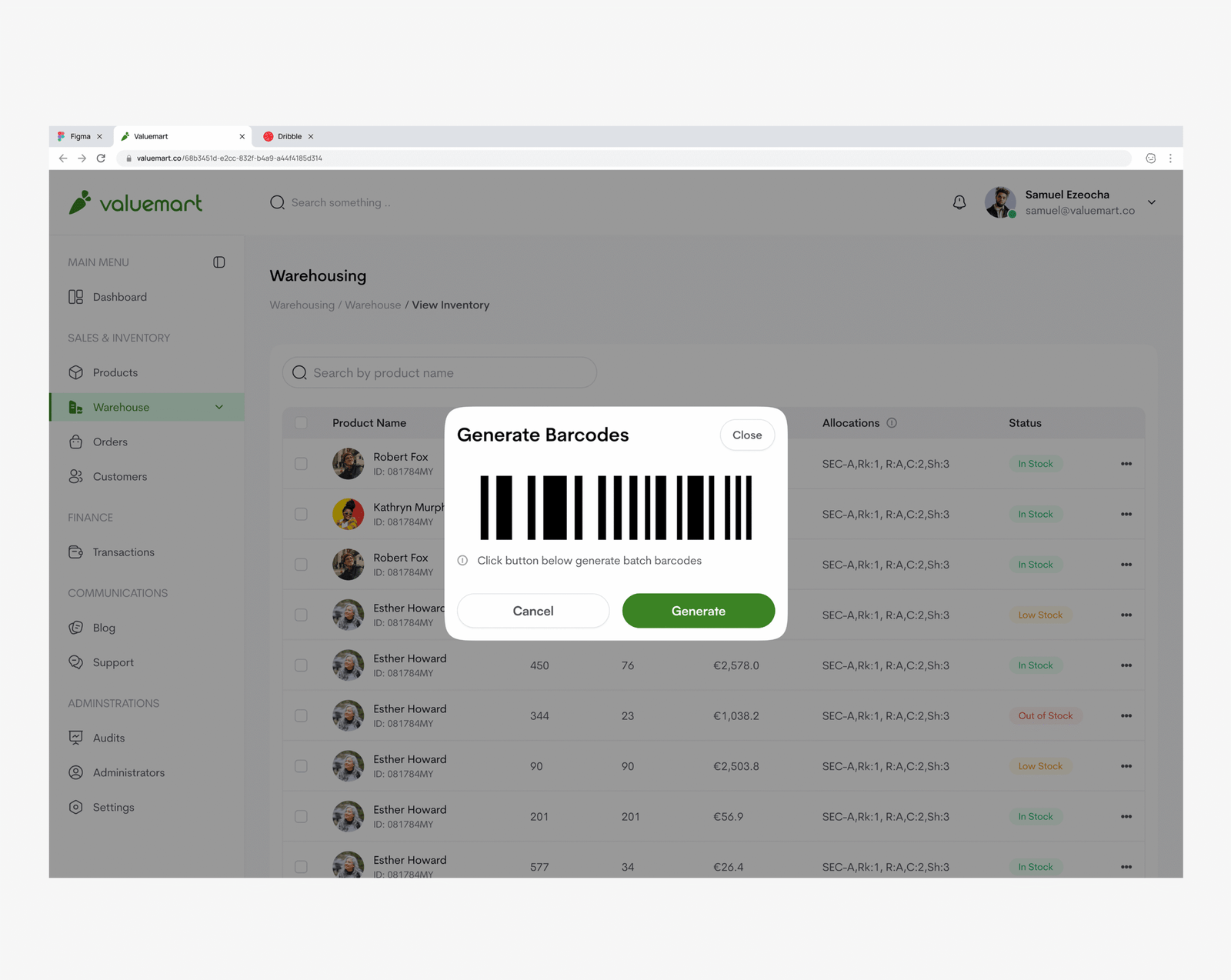
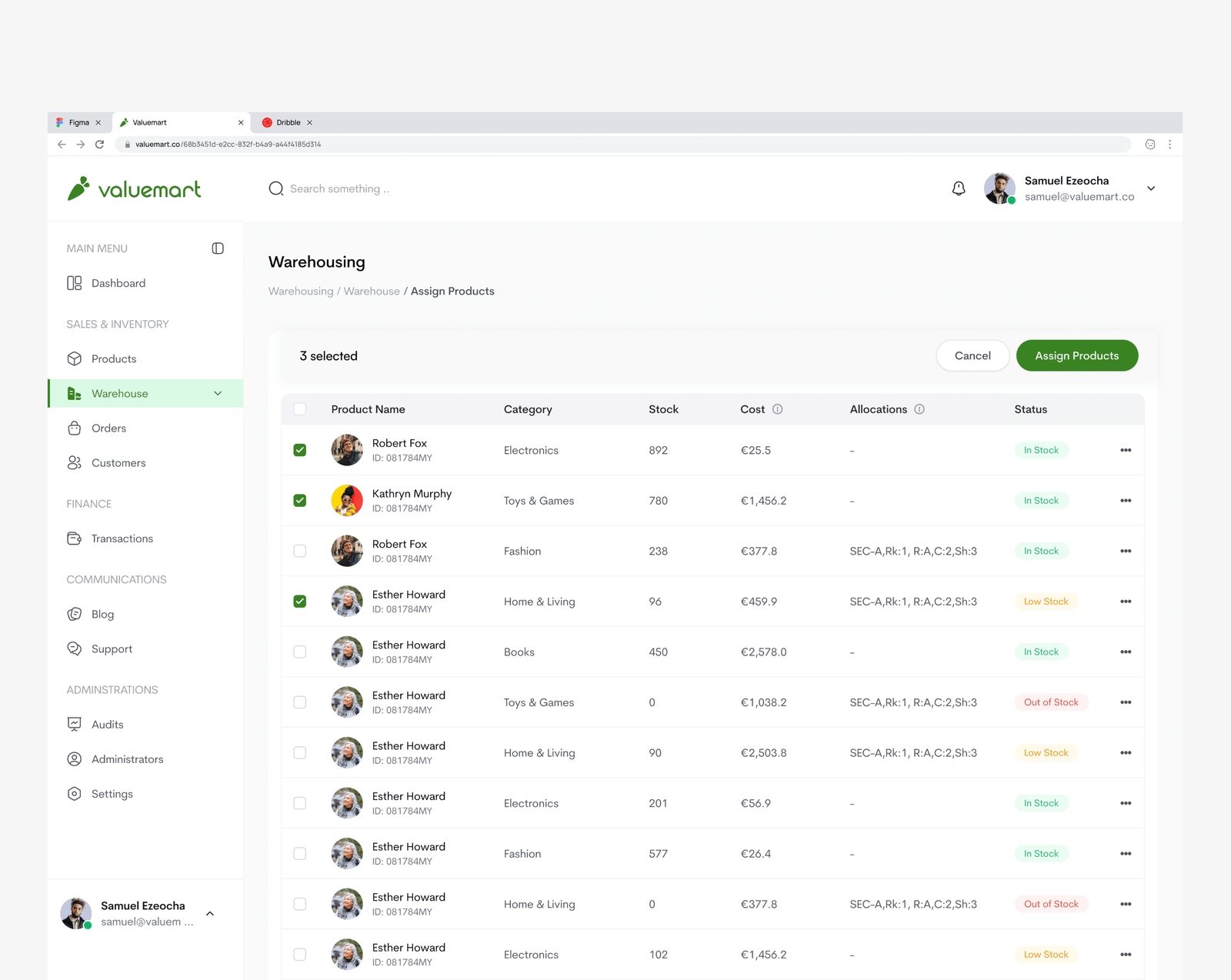
I introduced features that made inventory management proactive, not reactive. Low-stock alerts, bulk product editing, and clear visibility into product availability made daily operations faster and more reliable.
Real-Time Alerts & Communication
To keep admins and users in sync, I built in a notification system for key updates, from promotions to order status changes. This made communication timely and relevant,
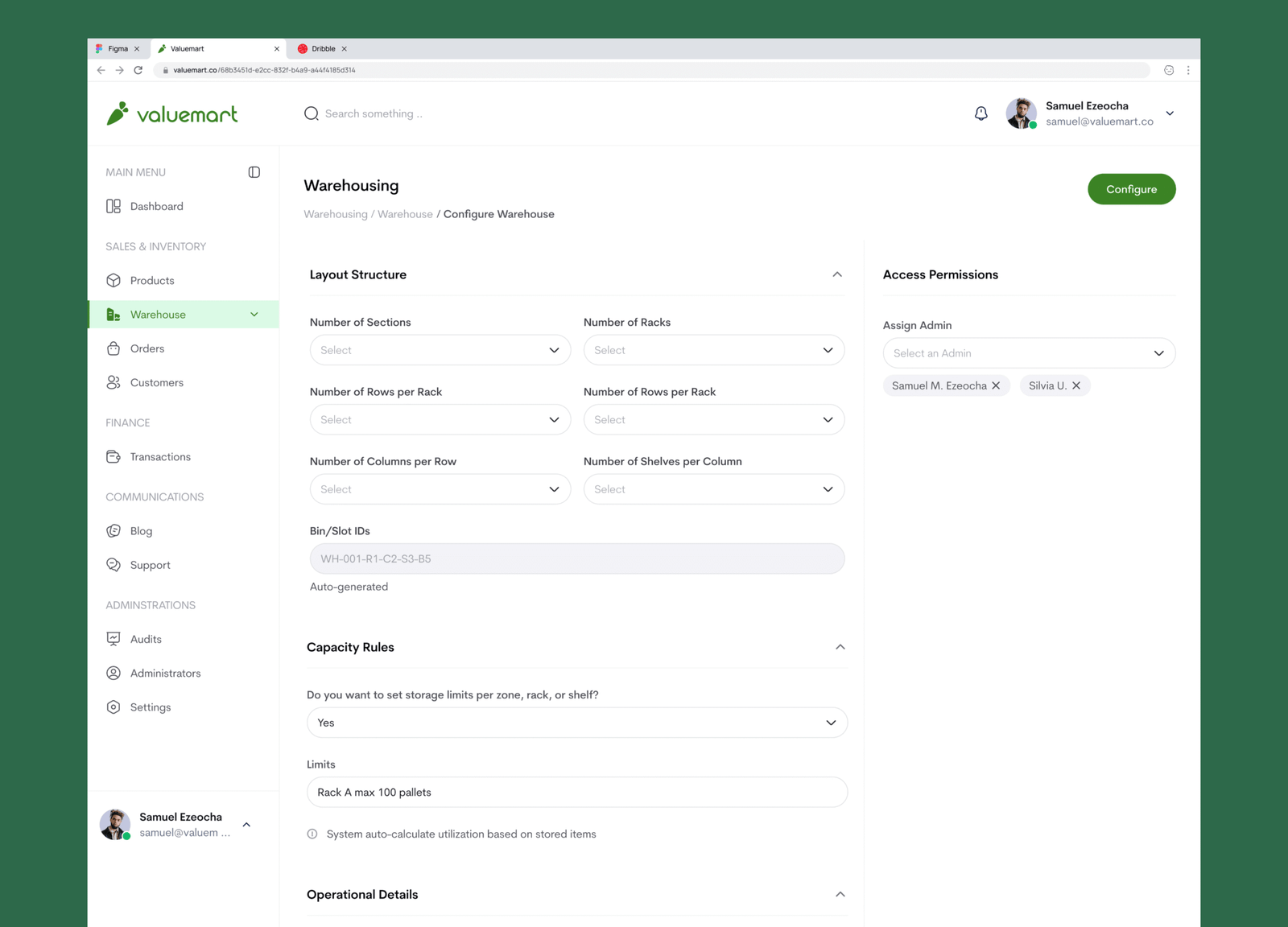
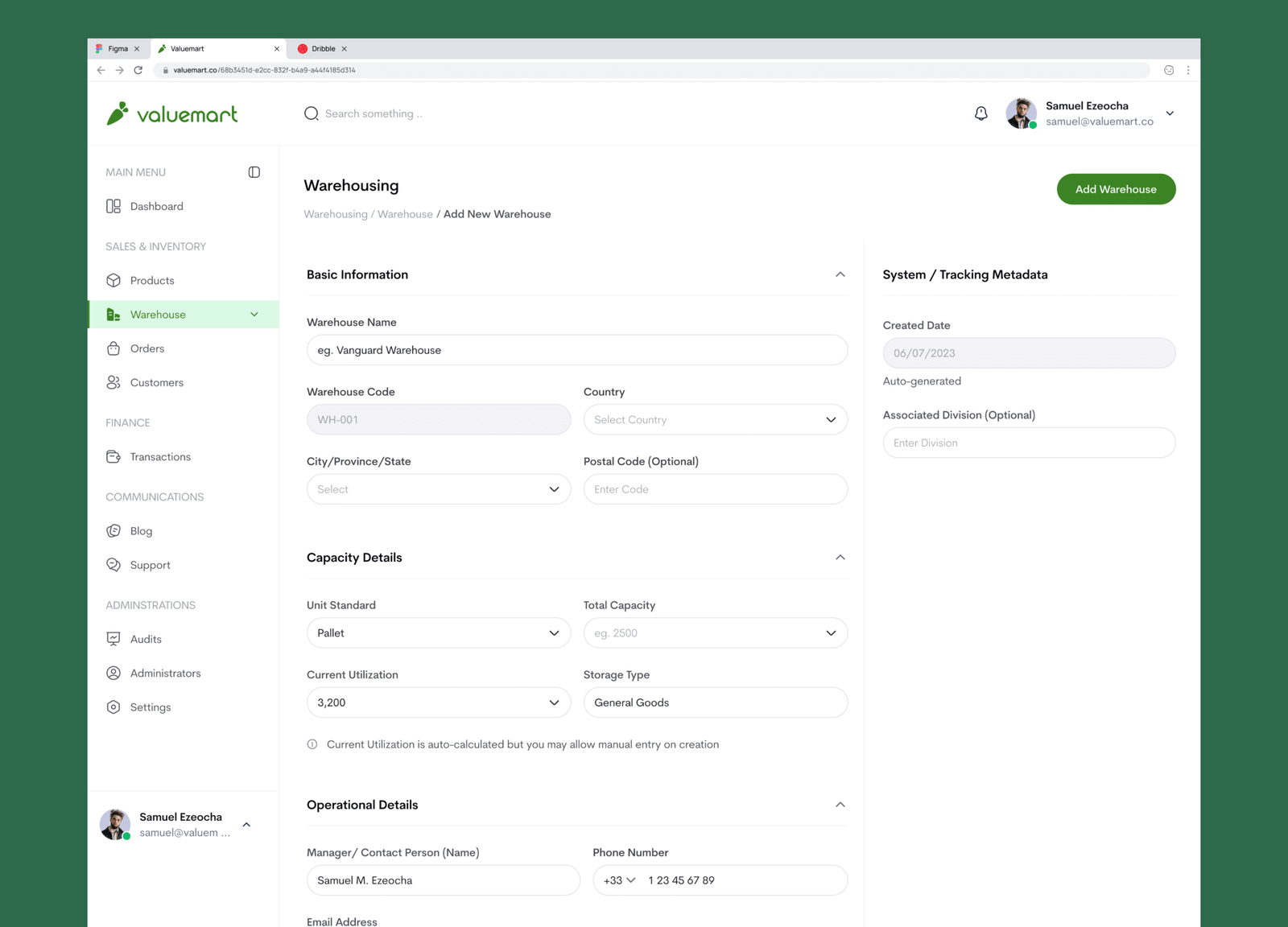
A great dashboard isn’t just about features, it’s about how those features are organized. I focused on building an architecture that mirrored how admins think and work, not how systems usually behave.
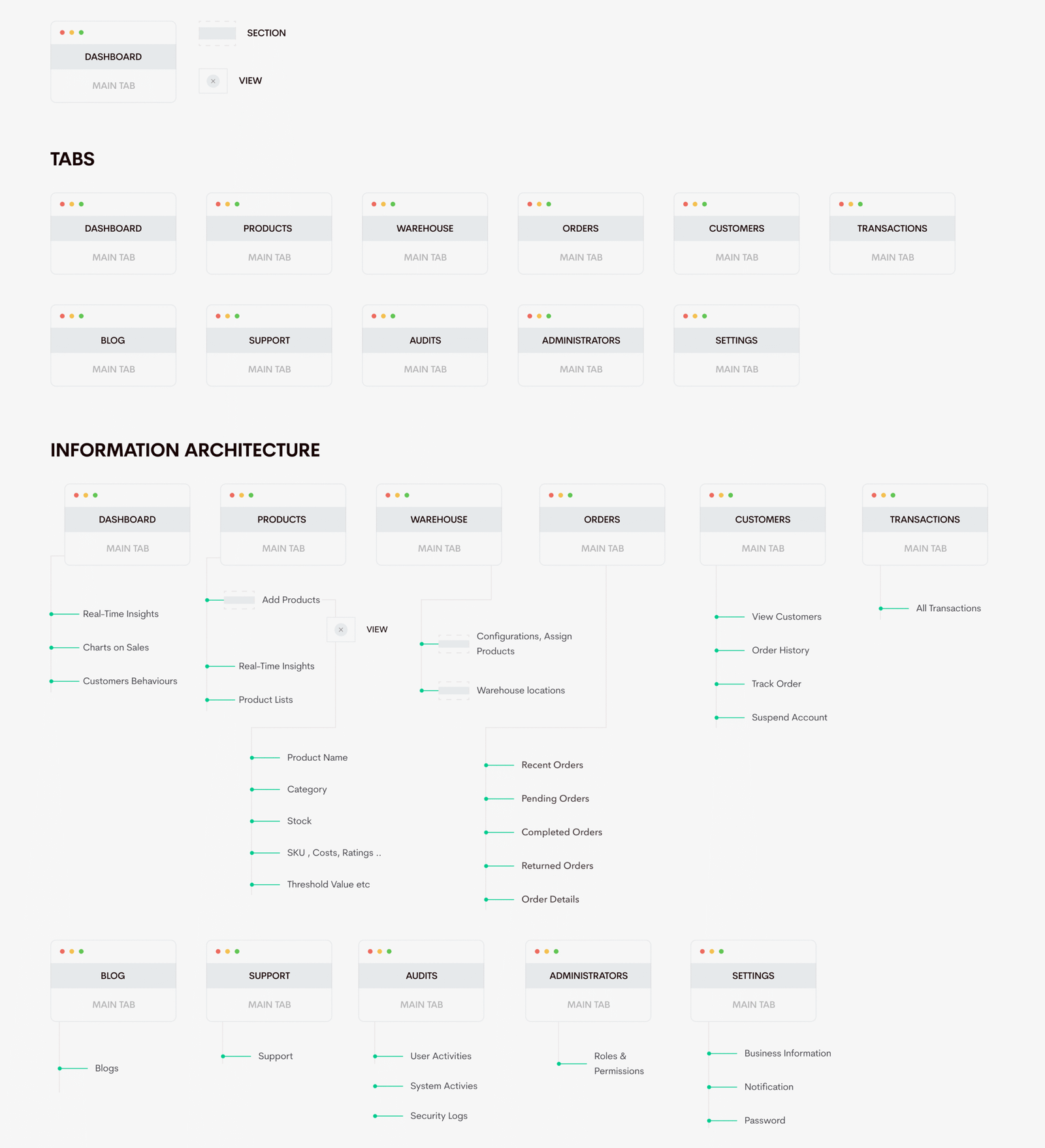
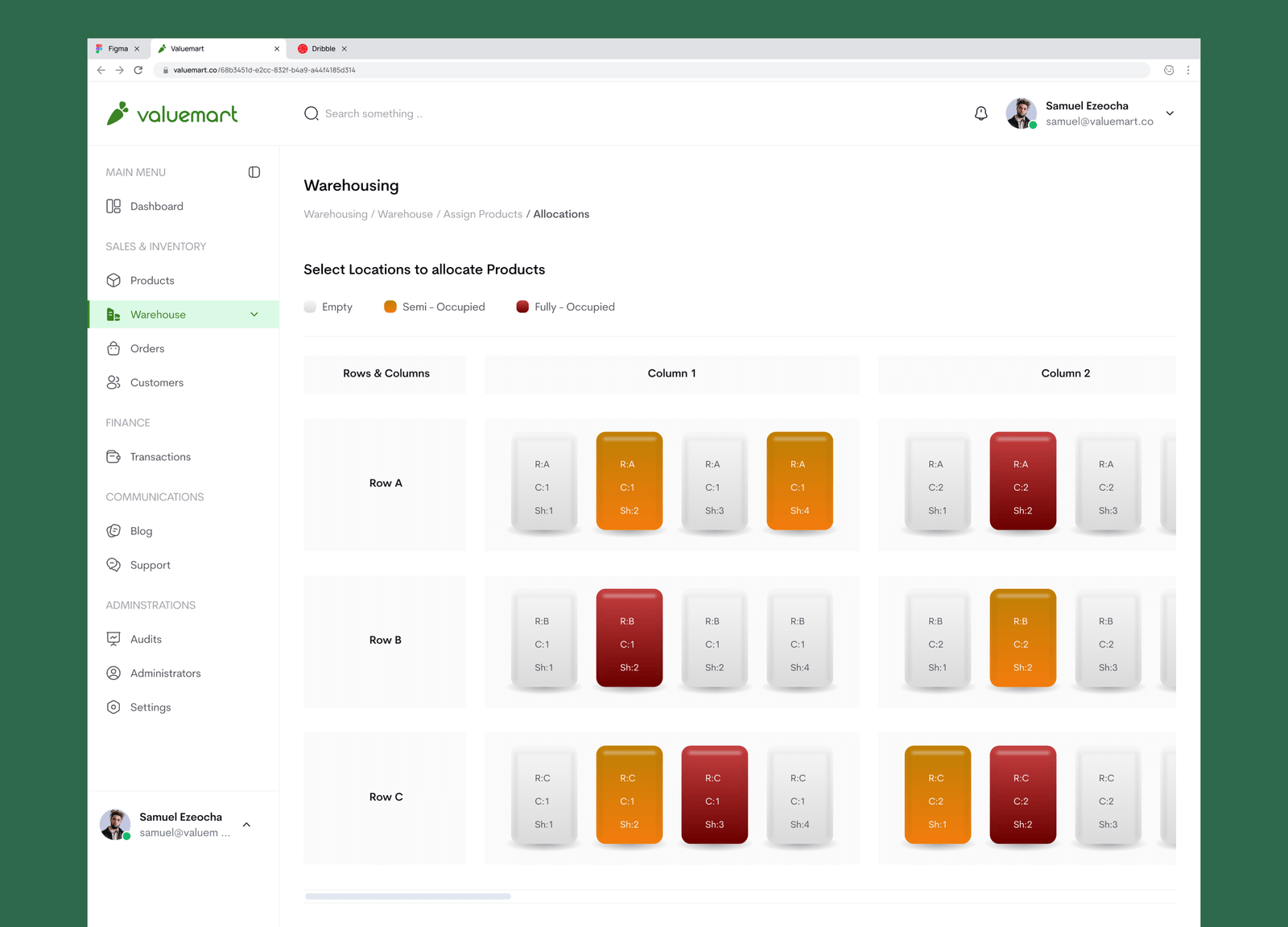

Design Systems
UI Foundations
Assets & Design Systems
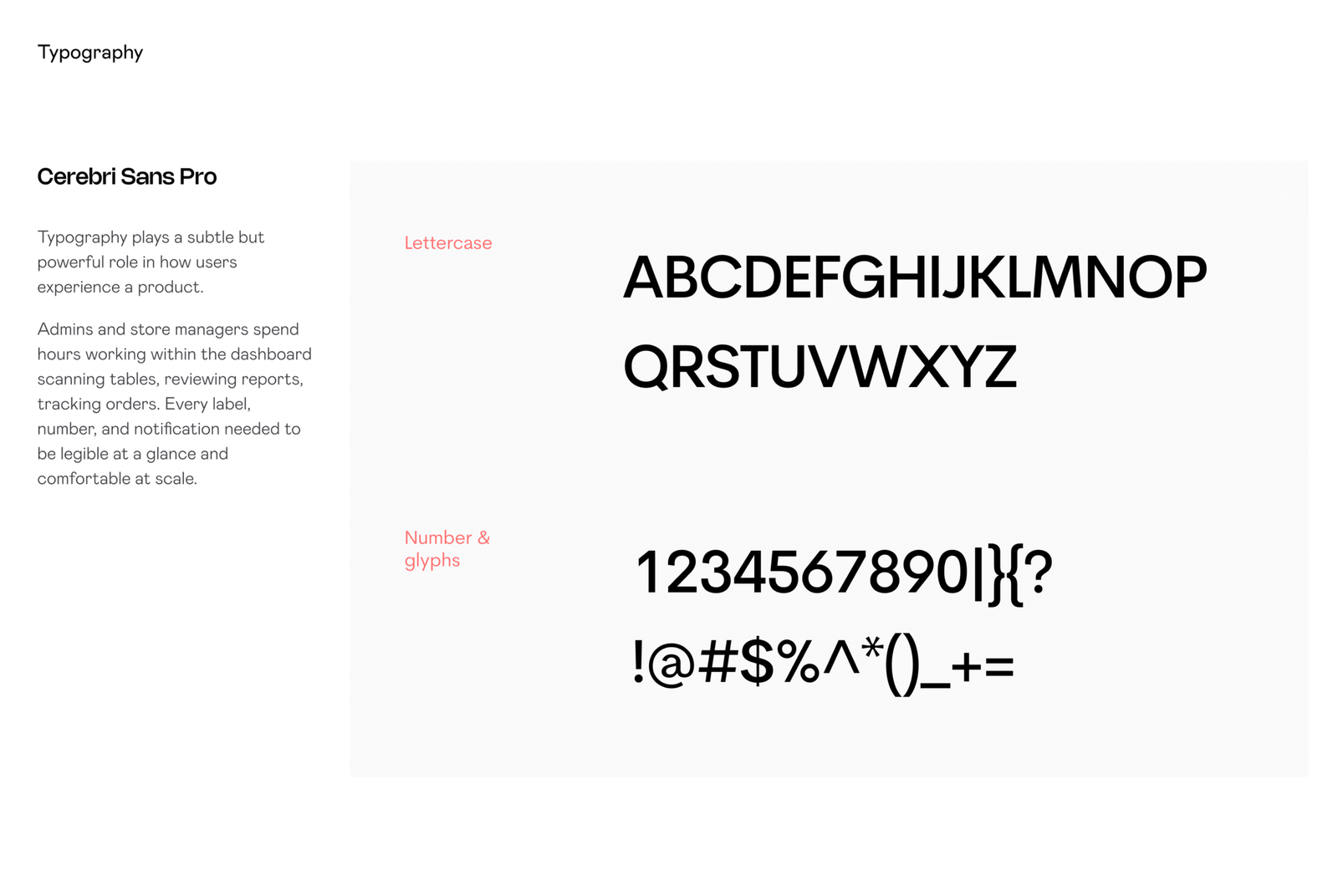
I wanted Valuemart to feel like something users already knew approachable and intuitive but with a modern edge that made everyday tasks feel smoother. Think of it as a familiar workspace, just finally cleaned up and organized.
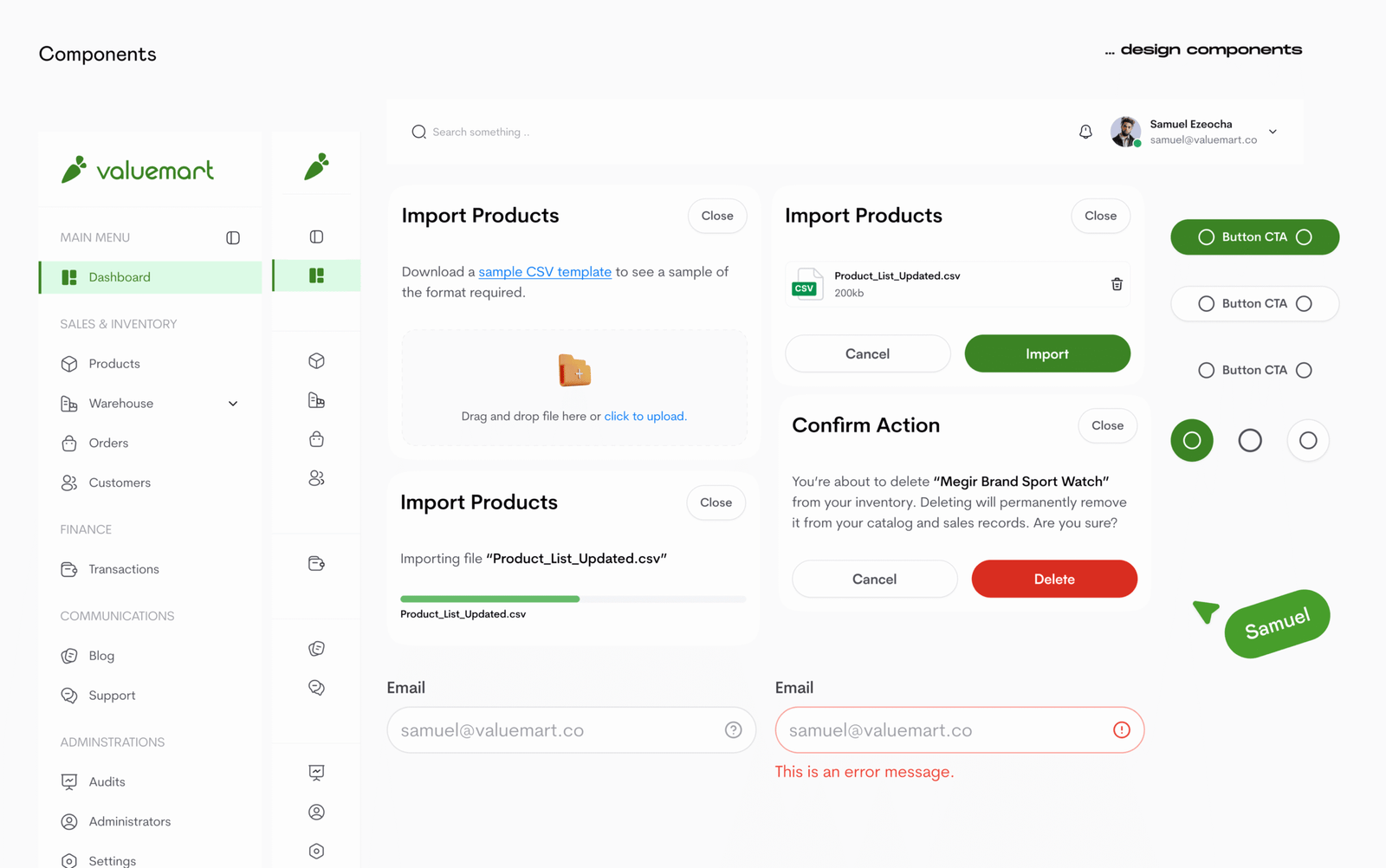
To bring this vision to life, I built a robust, flexible component library that not only ensured visual consistency but also significantly reduced developer handoff and rework. Every element from buttons and tags to alerts and drop-down was crafted with usability in mind and optimized for reuse across the platform.
Accessibility Considerations
Designing for Everyone, Without Exception
Behind every admin dashboard is a person juggling tasks, making decisions, and keeping things moving sometimes under pressure, sometimes in less-than-ideal conditions. I didn’t just design Valuemart for tech-savvy power users. I designed it for real people, working in real environments; on different devices, with different abilities, and at different paces.
During early feedback sessions, one admin mentioned how bright screens strain their eyes after hours of work. Another noted that they often rely on keyboard shortcuts to move faster. Comments like these shaped our approach.
We knew accessibility couldn’t be a checklist — it had to be a mindset.
So, I prioritized:
- Strong contrast between text and backgrounds to reduce eye fatigue
- Logical tab flows and keyboard support to help power users work faster
- Scalable typography that adapts comfortably to different screen sizes and user preferences
- Clear alerts and feedback that don’t rely on color alone to communicate
Reflections & What Comes Next
Designing for Everyone, Without Exception
No dashboard is ever just a dashboard. Behind every metric, every dropdown, and every toggle is a very real person trying to make sense of chaos to run a store, fulfill a customer’s need, or make the next best business decision. That’s what I had to constantly remind myself as I worked on the Valuemart admin experience.
Designing for admins, not just users, came with its own challenges. This wasn’t just about aesthetics; it was about speed, clarity, and reducing cognitive load.
I struggled with scope creep watching early feedback open doors to requests that, while valid, threatened the simplicity of what we set out to build. I had to make tough calls. To listen more closely. To simplify without oversimplifying.
What I Learned:
- Real empathy lives in conversations. Interviews with admins taught me more than any analytics ever could.
- Simplicity is powerful, but it’s hard. It takes intention and bravery to cut through noise.
What’s Next?
As Valuemart scales, I’m excited to refine this foundation; to build adaptive systems that grow with the business, automate even more tasks, and bring richer intelligence into the admin experience.
Curious how it all came together?